Anatomie de la semaine

Un breve elenco delle cose che ho trovato e che mi sono piaciute questa settimana.

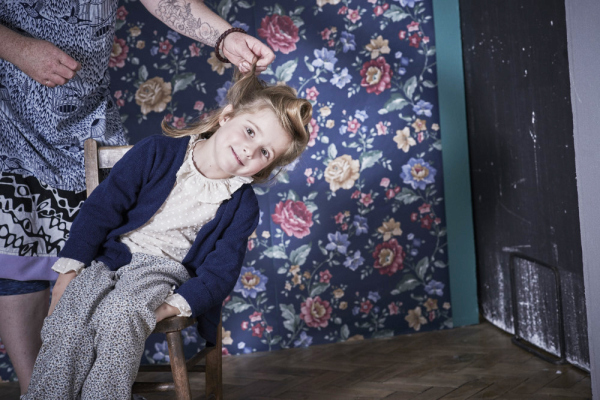
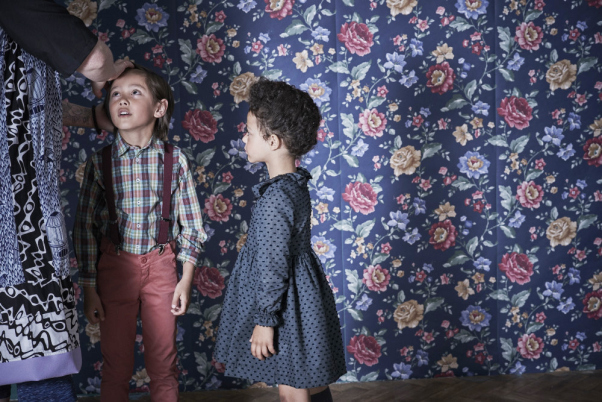
1.Questi fantastici scatti del dietro le quinte del lookbook autunno-inverno 2015 de La Coqueta. La Coqueta è una boutique indipendente di abbigliamento per neonati e bambini con sede a Londra. I loro capi sono classici con un tocco moderno e sono tutti realizzati in Spagna.

Image via www.lacoquetakids.wordpress.com
Image via http://www.lacoquetakids.wordpress.com

A short list of things I found and loved this week.

1.These awesome behind the scenes shots from La Coqueta’s autumn/winter 2015 lookbook. La Coqueta is an independent children and baby clothing boutique based in London. Their clothes are classic with a modern twist and they are made in Spain.

Image via www.lacoquetakids.wordpress.com
Image via http://www.lacoquetakids.wordpress.com
Image via www.lacoquetakids.wordpress.com
Image via http://www.lacoquetakids.wordpress.com
Image via www.lacoquetakids.wordpress.com
Image via http://www.lacoquetakids.wordpress.com

2. Per chi non ha programmi per il fine settimana, domenica 27 settembre è la giornata delle Fattorie Didattiche aperte in Lombardia. Le famiglie avranno la possibilità di visitare le aziende agricole locali e di conoscere meglio l’attività agricola. Le attività comprenderanno la mungitura, le coccole agli animali, splendidi scenari, la degustazione di prodotti e il pranzo in cascina.

Vi auguro un buon weekend di fine settembre!

2. For those who have no plans for the weekend, you can experience Open Farm Day Sunday 27th September in Lombardy, Italy. Families will be given the opportunity to visit local farms and learn more about the business of agriculture. Activities include milking, petting animals, beautiful scenery, samples for tasting and lunch at the farm.

Have a nice late September weekend!

Paola Negro per Fattorie Didattiche Image via www.iodonna.it
Paola Negro per Fattorie Didattiche
Image via http://www.iodonna.it

Anatomie de la semaine

Image via AnOther Magazine
Courtesy of Belmond Grand Hotel Timeo. Image vIa
Courtesy of Belmond Grand Hotel Timeo.
Image via AnOther Magazine.

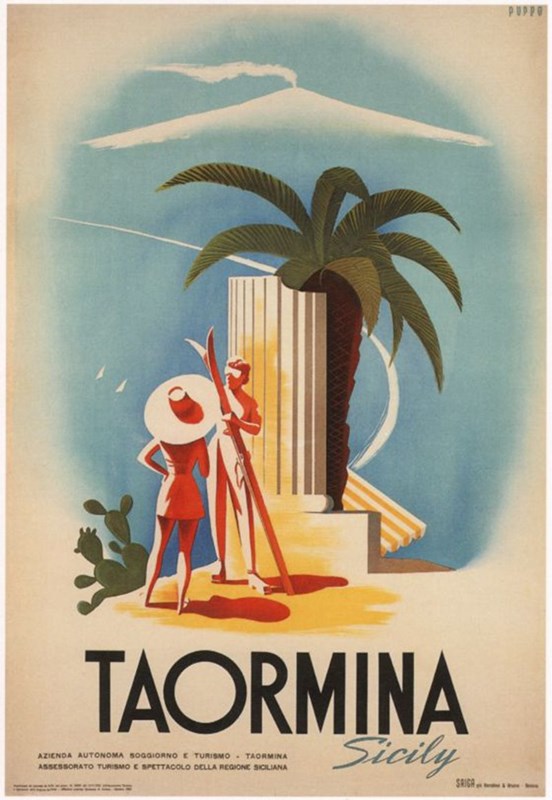
1.  The sublime Sicilian residences that charmed Pablo Picasso, Greta Garbo and Truman Capote.

Le superbe residenze siciliane che hanno incantato Pablo Picasso, Greta Garbo e Truman Capote.

PHOTOGRAPH BY POPPERFOTO/GETTY. Image via The New Yorker.
PHOTOGRAPH BY POPPERFOTO/GETTY.
Image via The New Yorker

2. Agatha Christie and the Golden Age of Poisons. In many ways, the poison was the personality in Agatha Christie’s stories—the element of surprise amid an otherwise reassuring collection of country-house clichés.

Agatha Christie e l’età dell’oro dei veleni. Per molti versi, il veleno costituiva la personalità delle storie di Agatha Christie, l’elemento di sorpresa in mezzo a quella che altrimenti sarebbe una serie rassicurante di cliché legati alla vita di campagna.

2. Agatha Christie, la regina del mistero. Va in scena l’Agatha Christie Festival, l’appuntamento annuale nella contea del Devon per celebrare la giallista più amata di tutti i tempi.

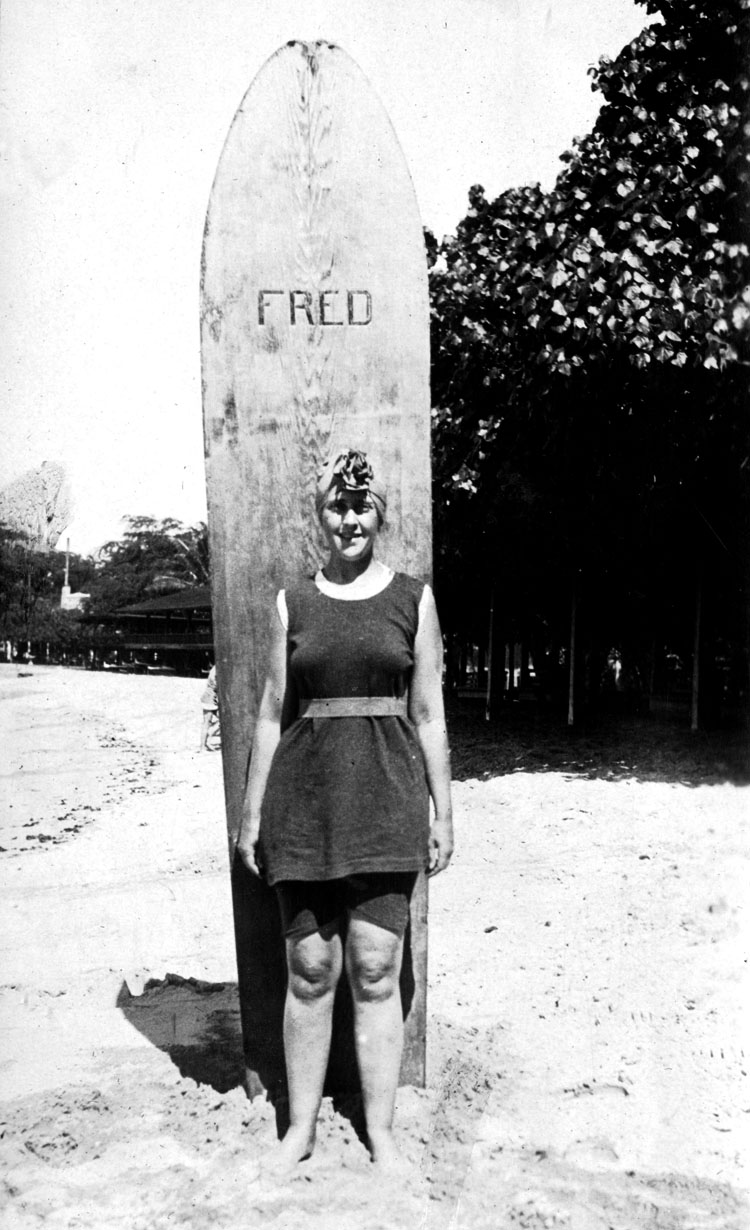
Agatha Christie learned to surf in 1924, when riding waves was the privilege of only a few. / Agatha Christie imparò a fare surf nel 1924, quando cavalcare le onde era un privilegio di pochi. Image via www.surfertoday.com
Agatha Christie learned to surf in 1924, when riding waves was the privilege of only a few. / Agatha Christie imparò a fare surf nel 1924, quando cavalcare le onde era un privilegio di pochi.
Image via http://www.surfertoday.com

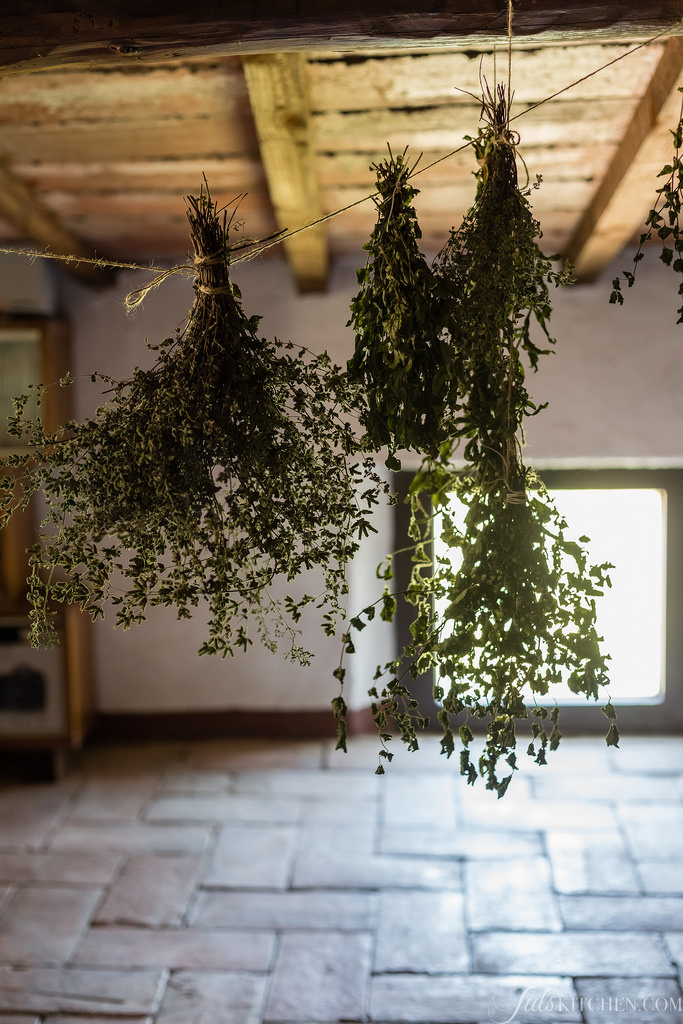
3. Cinque modi per conservare l’estate. Conserverò l’estate 2015 nel mio cuore per sempre, così come conserverò le erbe aromatiche per poterne poi apprezzare il profumo e il calore estivo quando arriverà l’inverno….

3.5 Ways to preserve summer herbs.I will keep the summer of 2015 in my heart forever, and I will preserve fresh herbs for the upcoming cold season.

Image via Jul's Kitchen
Image via Jul’s Kitchen
Image via Jul's Kitchen
Image via Jul’s Kitchen

Anatomie de la semaine

Questa seconda settimana di settembre sta finendo. Una settimana intensa ed emozionante, in cui mio figlio ha fatto il suo ingresso nella scuola materna.

Uno dei mesi più attesi e temuti, più amati ed odiati è già qui ed è a metà della sua corsa. Il mese degli inizi e delle fini, dei raccolti, dei mille progetti e del cuore aperto in attesa di cose buone.

Le giornate si accorciano e nell’aria c’è odore di frutti maturi, libri nuovi e zaini.

Io compilo le mie solite infinite liste e faccio bilanci per il mio compleanno.

Come ogni settimana, questa è una breve lista di quello che ho trovato e che più mi è piaciuto nei giorni scorsi:

  • Questo articolo di Frank Bruni per l’International New York Times sulla qualità del tempo, sulla famiglia e soprattutto sull’importanza di essere presenti. Vi consiglio di leggere anche il suo bellissimo pezzo su suo padre.
  • Parlando di famiglia, non posso non menzionare l’ultimo numero di Kinfolk dedicato alla famiglia. All’interno c’è anche un’intervista a Courtney Adamo, cofondatrice di Babyccino Kids,in un articolo su come la fotografia e le piattaforme social stanno cambiando il modo in cui costruiamo i nostri ricordi di famiglia.

41A0frnfQoL._SX393_BO1,204,203,200_

  • Questa deliziosa ricetta per una merenda settembrina.

This second week of September is ending. It has been a busy and exciting week, in which my child started kindergarten.

One of the most anticipated and feared months, the most loved and hated, is already here and halfway through its ride. The month of beginnings, ends, harvests and projects. With open hearts we are waiting for good things to happen.
The days are getting shorter and the air smells of ripe fruit, new books and backpacks.

I make endless lists and as I often do on my birthday, I find myself taking stock of my life.

Like every week, this is a short list of what I have found and loved in these last days:

  • This article by Frank Bruni for the International New York Times on the mith of quality time, on family and especially on the importance of being there. I also recommend that you read his beautiful piece on his father.
  • Speaking of family, I have to mention the latest issue of Kinfolk dedicated to the family. The Family Issue includes also an interview with Courtney Adamo, cofounder of Babyccino Kids, in an article about how photography and social media platforms are changing the way we construct our family memories.
  • This delicious recipe for a September snack.

Anatomie de la semaine

Un breve elenco delle cose che ho trovato e che mi sono piaciute questa settimana.

A short list of things I found and loved this week.

1.Un tutorial su come realizzare questi carinissimi blocchi di legno realizzati con le immagini di vecchi libri per bambini.

1.A tutorial on how to make these lovely vintage story-book blocks.

We-Are-Scout_vintage-storybook-blocks_DIY_1-600x780
Image via: http://www.we-are-scout.com
Image via: www.we-are-scout.com
Image via: http://www.we-are-scout.com

2.Il tanto attesto ritorno della “danza delle scatole di latta“.

La danza delle scatole è lo scambio di una scatola di latta. Le scatole di ogni genere dovranno contenere una ricetta.Per partecipare mandate una mail al seguente indirizzo di posta elettronica: danielaatcalmeetcacao.com, con oggetto “la danza delle scatole di latta”. Nell’email scrivete anche l’indirizzo a cui ricevere il pacchetto.
Avete tempo fino al 1 novembre 2015.

2.The long-awaited return of the tin boxes swap created by Daniela of Calme et Cacao Blog.

Image via: http://calmeetcacao.com/

3.Questo articolo sul vintage e il design scritto da Laura Traldi.

3.This  article about vintage and design written by Laura Traldi.

Image via: http://designlarge-d.blogautore.repubblica.it/2015/09/01/interni-vintage-design-tendenza/

Anatomie de la semaine

Sì, lo so è febbraio ed è decisamente tardi per parlare di calendari ma ho appena scoperto questo calendario ispirato alla Nouvelle Vague. Non è fantastico?

Potete trovarlo sul blog naomemandeflores.com.

Yes, I know it is February and it’s definitely late to talk about calendars, but I’ve just found this calendar inspired by the Nouvelle Vague. Isn’t it fabulous?

You can find it here.

calendário-Nouvelle-Vague-11
Image via naomemandeflores.com
calendário-Nouvelle-Vague-2
Image via naomemandeflores.com

Questo meraviglioso libro intitolato  “Original Man – The Tautz Compendium of Less Ordinary Gentlemen” appena pubblicato da Gestalten.

This amazing book “Original Man – The Tautz Compendium of Less Ordinary Gentlemen” just out from publishing house Gestalten.

Courtesy of gestalten.com
Original Man è un compendio di storie di uomini straordinari, tra cui Andy Warhol, Freddy Mercury, e Yves Saint-Laurent.

Original Man is a compendium of the stories of extraordinary men, including Andy Warhol, Freddy Mercury, and Yves Saint-Laurent.

Questo sciroppo a base di ginepro e rosa da aggiungere al tè o per creare un delizioso cocktail. Lo potete trovare qui.

This juniper rose syrup to add to your tea or to make a delicious cocktail. You can buy it here.

dramapothecaryjuniperrosesyrup
Image via ornhansen.com

Anatomie de la semaine

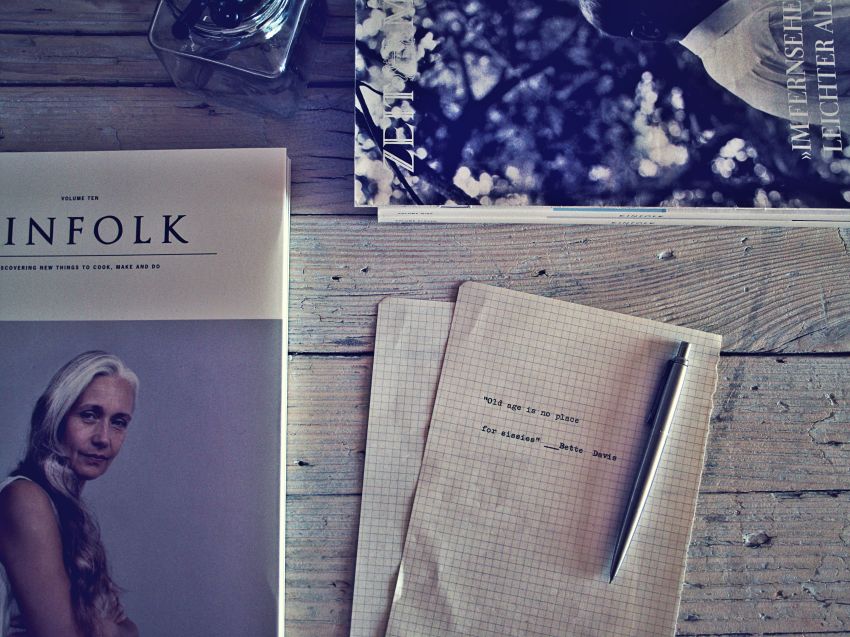
Questo interessante articolo del New York Times sull’età e la bellezza, che mi fa venire in mente il volume 10 di Kinfolk Magazine – The Aged Issue.

This interesting New York Times article about age and beauty. And this reminds me of the Kinfolk Magazine Volume 10 – The Aged Issue.

IMG_2852.JPG

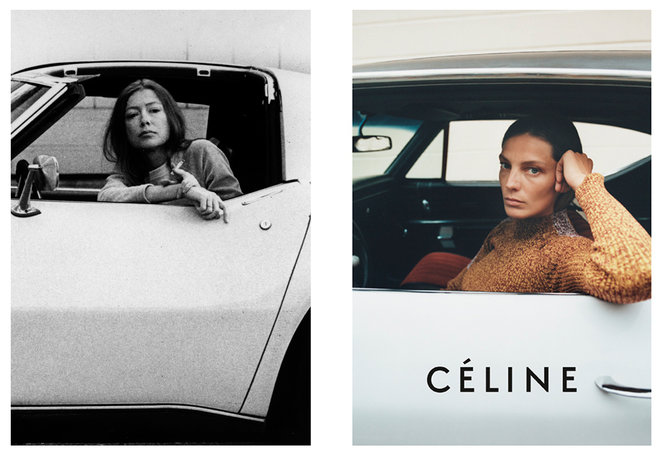
Joan Didion nella campagna pubblicitaria di Céline per la P/E 2015  fotografata da Juergen Teller.

Joan Didion in the Céline spring-summer 2015 campaign photographed by Juergen Teller.

Image via http://www.vogue.comPhoto: Juergen Teller, Courtesy of Céline
Image via: http://www.vogue.comPhoto: (from left) Julian Wasser/The LIFE Images Collecion/Getty Images; Tyrone Lebon, Courtesy of Céline

Inga Maren Otto per la collezione  prêt-à-porter primavera – estate 2015 di Alessandra Rich. La collezione è ispirata alle serie TV americane degli anni ’80, come Dynasty e alla soap opera Santa Barbara.

Inga Maren Otto for Alessandra Rich Spring Summer 2015 Ready-To-Wear collection. The collection is inspired by US Television series from the 80s such as Dynasty and and the daytime soap opera Santa Barbara.

Questo articolo pubblicato da Vogue su 8 icone dai capelli d’argento che ci piacerebbe vedere nelle prossime campagne pubblicitarie di moda.
 This Vogue Magazine’s Article titled “8 Silver-Haired Icons We Want to See in Fashion’s Next Big Campaign“.

December Favorites

IMG_1110

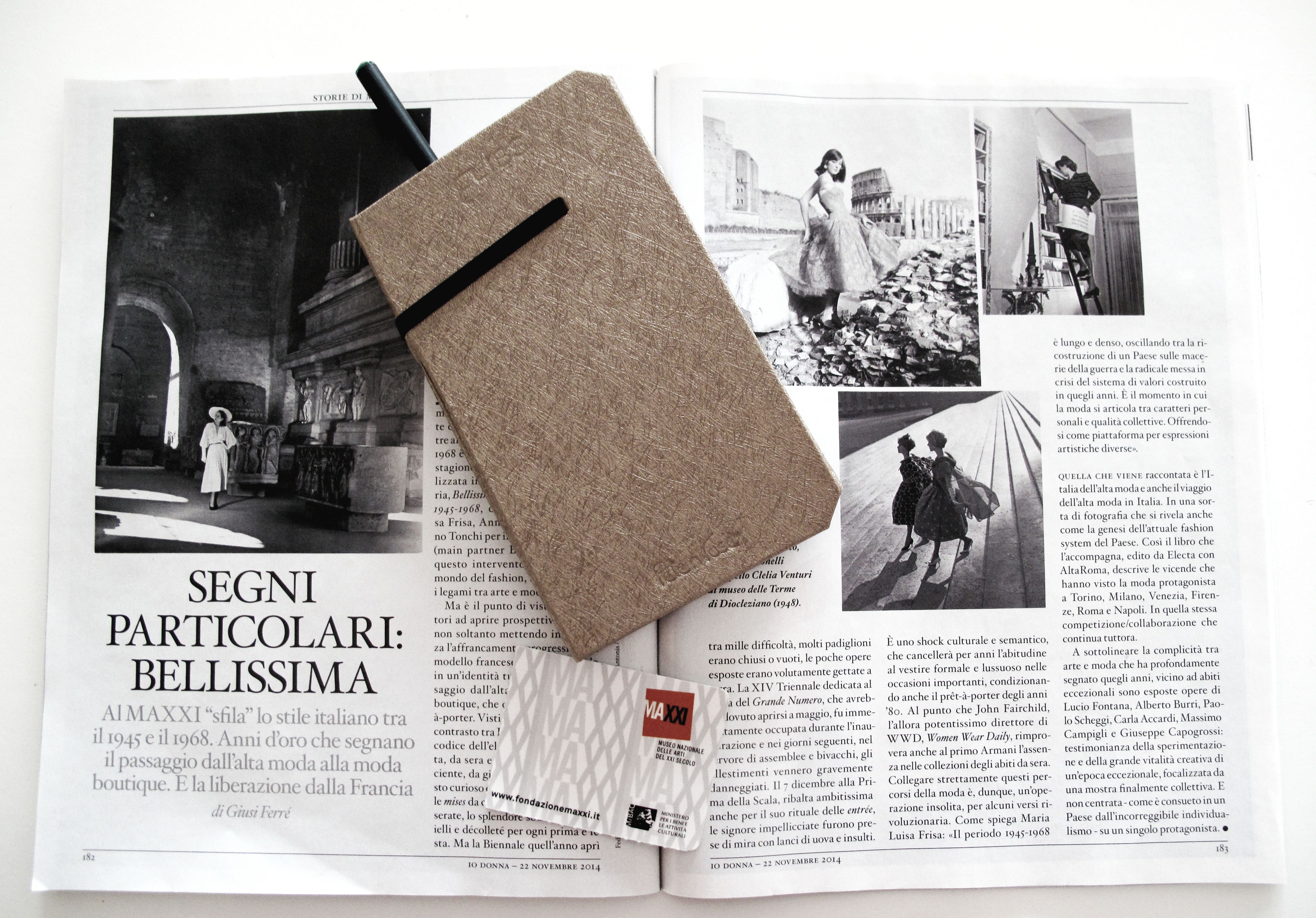
“Bellissima: Italy and High Fashion, 1945–1968,” a new exhibition at MAXXI National Museum of XXI Century Arts in Rome.

La mostra “Bellissima. L’Italia dell’alta moda dal 1945 al 1968” al Maxxi di Roma.

IMG_2813

IMG_1030

This awesome Christmas gift                                                                                                                                          Questo bellissimo regalo di Natale

IMG_1115

This “Cabbages & Roses Film AW14” directed by Katy Lawrence.                                                                                            

Il nuovo video “Cabbages & Roses Film AW14″ diretto da Katy Lawrence.
www.cabbagesandroses.com

Anatomie de la semaine

Questo phon da viaggio  anni ’80.

This 80’s vintage travel hairdryer.

16853350

Questo  vestito vintage anni 60, a righe bianche e rosa.

This vintage white and pink striped dress from the 1960s.

1690454

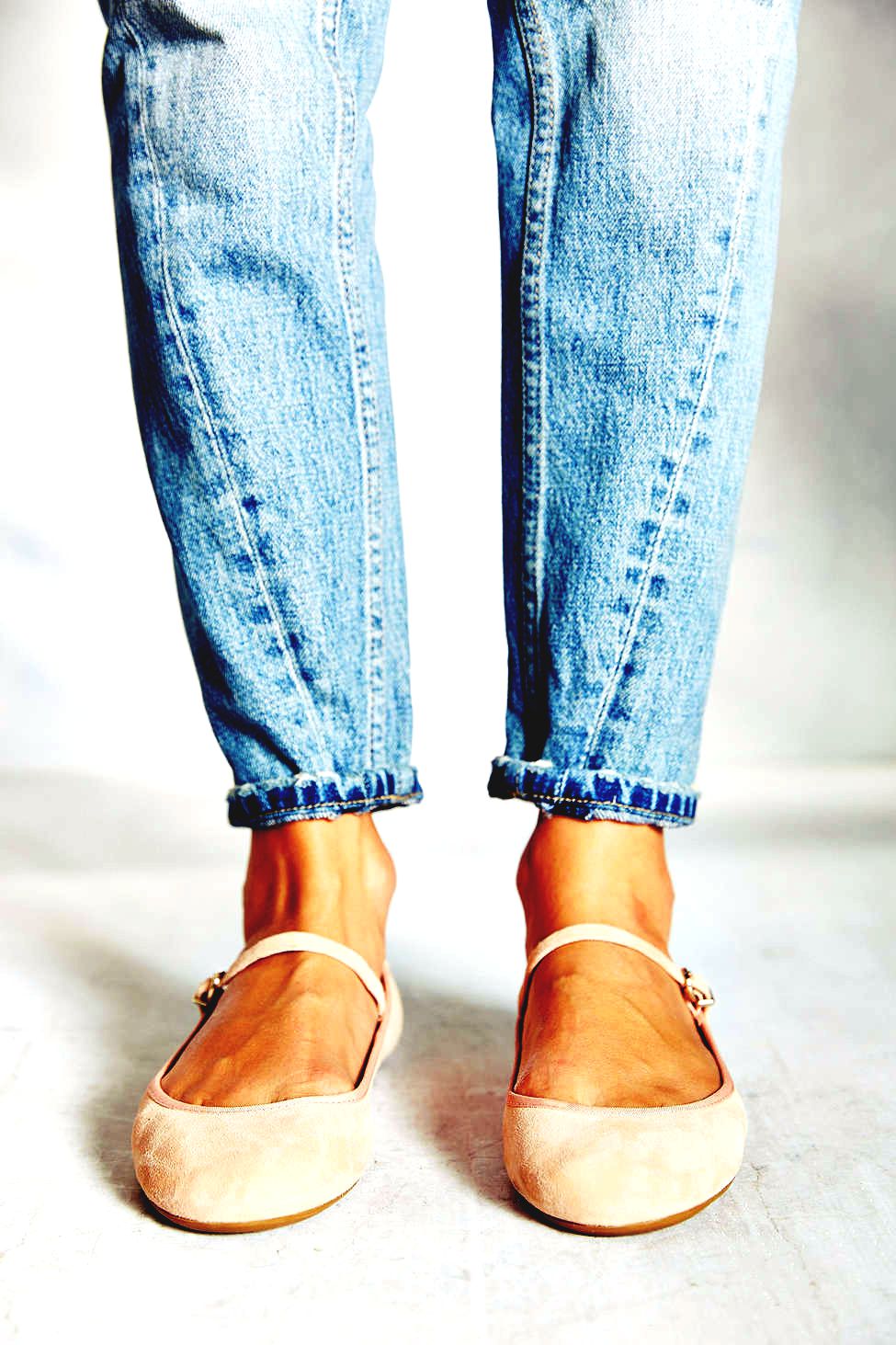
Queste morbide ballerine.

These Cooperative soft ballet flats.

 32761611_065_e

Questa borsa a tracolla a forma di macchina fotografica.
This camera-shaped crossbody bag.
8978238308382

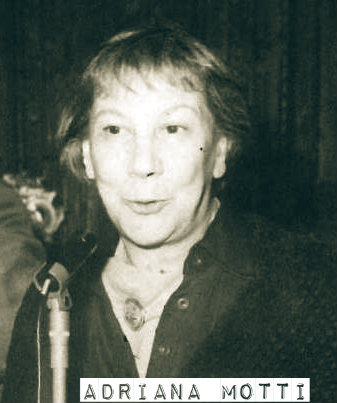
Alla ricerca di Adriana Motti

Una delle traduttrice della mia amata Karen Blixen è stata Adriana Motti.

Più volte negli anni ho fatto delle ricerche su di lei – ad esempio mentre scrivevo la mia tesi – ma non ho mai trovato granché.

L’unica intervista che ho trovato è quella rilasciata a Luca Sofri nel 1999.

Poi recentemente mentre curiosavo in rete mi sono imbattuta in suo nipote. Senza pensarci troppo l’ho contattato.

Tommaso è un ragazzo gentilissimo e disponibilissimo. Lui e la sua famiglia sono gli attenti e rispettosi custodi della memoria di questa donna riservata.

Questa è stata la nostra conversazione.

Il tuo grado di parentela con Adriana Motti ?
Per me è sempre stata zia, anche se in realtà era la zia di mio padre.

Quali lingue conosceva? Che studi aveva fatto?
Dopo il liceo classico ha frequentato la facoltà di lettere senza laurearsi. Per raggiungere il traguardo le mancavano pochi esami (un paio), ma uno di questi era latino, che non aveva mai sopportato e che quindi non superò.
Conosceva il francese a livello scolastico, anche se la sua carriera di traduttrice iniziò con una traduzione dall’inglese.

Com’è iniziata la sua carriera di traduttrice?
Iniziò chiedendo al cugino Federico Elmo, editore di Milano, di poter fare una traduzione in francese per la sua casa editrice. La proposta che ricevette fu di tradurre dall’inglese un romanzo di Wodehouse. Notare che non conosceva affatto questa lingua: munita di dizionario e molta pazienza ricostruiva il senso delle frasi procedendo poco per volta.

I lunghi tempi di consegna erano dovuti comunque anche al suo carattere: si lasciava sempre tutto il lavoro indietro finché non si trovava con l’acqua alla gola, e a quel punto passava intere giornate nel suo studio.

Una cosa particolare del suo metodo di lavoro è che tutte le traduzioni venivano fatte scrivendo a mano. Nel suo studio era sempre presente una quantità inimmaginabile di quaderni di scuola dalla copertina nera, dove da una parte scriveva la traduzione e dall’altra le correzioni. Solo al momento di inviare il lavoro alla casa editrice passava alla macchina da scrivere.

Disse che le traduzioni le fecero perdere l’abitudine di scrivere cose sue. Desiderava diventare una scrittrice?

Scrivere era senza dubbio la sua vera ambizione. Ha scritto tanto, soprattutto racconti e poesie.
Molti di questi manoscritti sono rimasti incompiuti, ma ce ne sono diversi completi in possesso della nostra famiglia. Il difficile è raccoglierli, trascriverli, e capire quali sono suoi racconti e quali parti di traduzioni o di altri lavori. Comunque non è mai stato pubblicato niente, anche se le sarebbe piaciuto.

Tua zia divenne famosa per la sua straordinaria traduzione de “Il giovane Holden”. Come reagì al successo?

“Il giovane Holden” è sicuramente la sua traduzione più famosa, ma questo non le cambiò la vita. Mia zia era comunque una persona che non amava mettersi in mostra. Questa traduzione tra l’altro per lei fu semplicemente una delle tante. Citando l’intervista rilasciata a Sofri diversi anni fa:

“Sembrerà un’eresia: sono diventata celebre col Giovane Holden che io non ho preso sul serio per niente. Mi è piaciuto, molto acuto, molto profondo, ma non gli ho dato quest’importanza: divenne un dogma, un catechismo che non capisco tutt’ora. È un libro individualista, la crisi esistenziale di un ragazzo americano. Per dei ragazzi di sinistra italiani, Salinger avrebbe dovuto essere il tipico americano altoborghese e radical chic, non vedevo che rapporto ci fosse con dei giovani marxisti. Lo dissi anche a tre di loro che vennero a parlarmi per fare un pezzo sul giornale di Lotta Continua, e si fecero prestare delle lettere. Più rivisti, né loro né le lettere.”

Lo scorso maggio è uscita la nuova traduzione de “Il giovane Holden” di Matteo Colombo. La leggerai?
Sono curioso di leggerla: ho letto alcuni commenti, lo farò appena ne avrò il tempo e la possibilità. So già che non riuscirò a non essere di parte, in ogni caso.

Nella sua vita Adriana Motti ha mai incontrato qualche autore?
Dal poco che sono riuscito a ricostruire ha avuto contatti epistolari con vari autori italiani, tra cui Calvino. Non ha comunque mai avuto contatti diretti con gli autori tradotti: viaggiare non era tra le sue passioni.
Adriana_Motti

One of the translators of my beloved Karen Blixen was Adriana Motti.
Many times over the years I have done some research about her – for example, when I was writing my dissertation but I’ve found little. Only an interview with Luca Sofri in 1999. Recently I stumbled upon her nephew. Without thinking too much I contacted him.Tommaso is  so kind and heplful. He and his family are careful and respectful guardians of this discreet woman’s legacy.
This was our conversation.

What is your relationship to Adriana Motti?
For me, she’s always been my aunt, although in reality she was my father’s aunt.

What languages did she know? What did she study?

After high school she attended the Faculty of Arts but did not graduate because she failed one or two exams, one of them was Latin, which she never enjoyed and therefore did not pass.
She studied French at school, although her career as a translator began with a translation from English.

How did she start her career as a translator?

She began by asking her cousin, Frederick Helm, a publisher in Milan, if she could translate something into French for his publishing house. She was invited to translate a Wodehouse novel from English. However, she did not know anything about this language: equipped with a dictionary and a lot of patience she reconstructed the meaning of sentences little by little.

The long delivery times were also down to her nature: she always fell behind on all her work until she was up to her eyeballs and then she would spend the whole day in her office.

One particular feature of her working method was that all her translations were handwritten. Her office was always full of an unimaginable amount of school notebooks with black covers, where she wrote the translation on one side and her corrections on the other side. Only when she had to deliver the job to the publishing house did she use a typewriter.

She said that translation made her lose the habit of writing her own material. Did she want to become a writer?
Writing was undoubtedly her real ambition. She wrote a lot, especially short stories and poems.
Many of these manuscripts are unfinished, but our family has several different completed ones. The difficulty is to collect them, transcribe them, and work out which are her stories and which parts are translations or other work. However, nothing was ever published, even though she would have liked it.

Your aunt became famous for her extraordinary translation of “The Catcher in the Rye”. How did she react to this success?
“The Catcher in the Rye” is certainly her most popular translation, but it didn’t change her life. My aunt was someone who didn’t enjoy showing off. She just saw this translation as one of many. To quote the interview she gave to Sofri several years ago:
“It may seem like heresy but I became famous for “The Catcher in the Rye” and I did not take it seriously at all. I liked it; it was very sharp, very deep, but I didn’t give it this grand importance: it became a dogma, a catechism that I still do not understand. It is an individualistic book, the existential crisis of an American boy. For the Italian left-wing, Salinger was supposed to be the typical upper-class, radical chic American, I didn’t see what relationship there was with young Marxists. I even said this to three of them who had come to talk to me for an article in the newspaper, Lotta Continua, and they even borrowed some letters. I never saw them or the letters again.”

Last May, the new translation of “The Catcher in the Rye” by Matteo Colombo was released. Are you going to read it?
I’m curious to read it: I read some comments about it; I’ll do it as soon as I have the time and the opportunity. I already know that I can’t help but be part of it in any case.

Did Adriana Motti ever meet any authors during her lifetime?

From the little I have been able to reconstruct, she exchanged letters with various Italian authors, including Calvino. However, she never had direct contact with the authors she translated: travelling was not one of her passions.