Se amate l’interior design e state cercando la giusta ispirazione per una nuova casa o se, molto più semplicemente, volete cambiare look ad una stanza, dovete visitare la tazzina blu. Camilla, autrice di questo interessantissimo blog, ha vinto il primo Premio Originalità del concorso BLOG-IN di Ikea Italia.
Com’è nata “la tazzina blu“?
La tazzina blu è nata tre anni fa dall’urgenza di collezionare immagini d’interni… Sono sempre stata una fanatica delle collezioni, e dopo aver creato il mio archivio “cartaceo” di riviste, ho deciso di crearne uno sul web in modo da poter condividere (e commentare) i miei colpi di fulmine con altre persone appassionate d’interior come me.
Cosa collezioni?
Colleziono riviste d’arredamento e sono abbastanza ossessiva nell’atto dell’archiviazione… Mi piace vederle tutte “schierate” in ordine cronologico nei loro raccoglitori. Se scoppiasse un incendio credo che sarebbero la prima cosa che metterei in salvo 🙂
La tua ossessione attuale ( in termini di interior design ecc.)
Ultimamente mi sento molto attratta dal lavoro dei nuovi designer olandesi , bravissimi ad unire l’estetica minimal del nord al loro gusto eclettico combinando improbabili colori fluo al legno chiaro o al bianco.
Se nella prossima vita rinascessi oggetto, sarei sicuramente una creazione di Scholten & Baijings, la mia coppia di designer preferita del momento. www.scholtenbaijings.com
La tua palette di colori del momento
La palette di colori che mi rispecchia di più attualmente è sui toni neutri della terra, mescolati ai grigi. Ma devo ancora capire qual è il colore che mi fa sentire più a mio agio…
Che cosa ti ispira?
Questa è una domandona… Traggo ispirazione da molte cose, molto spesso intravedo il bello anche dove non penseresti mai di trovarlo, e cerco di trarre spunti un po’ da tutto ciò che mi circonda. Già scrivere sul blog è un esercizio di creatività molto importante, come se fosse un circolo vizioso. Più scrivo e più mi sento ispirata…Se mi fermo è la fine. Sono molto concentrata su tutto ciò che fa “arredo”, ma ammetto di trovare ottimi spunti anche nella moda e nell’arte.
Stai ristrutturando il tuo appartamento. Quali sono gli errori da evitare in una ristrutturazione?
Un erroraccio è quello di dare troppo retta alle tendenze del momento, o di progettare la casa a misura di “rivista”. Prima di tutto bisogna ascoltare se stessi e focalizzarsi bene sui propri bisogni. Nella vita può capitare di ristrutturare la propria casa una, o al massimo due volte, non dobbiamo perdere l’occasione di creare qualcosa a nostra misura.
Quale stanza preferisci progettare e arredare?
Questa domanda è la più difficile di tutte… Mi piacciono tutti gli spazi domestici e non c’è una stanza in particolare che preferisco rispetto alle altre.
Direi la camera da letto ma mi sono resa conto che, pur sembrando semplice da progettare, è la stanza che mi ha messo più in crisi nella fase progettuale della mia ristrutturazione… Ok, dico camera da letto.
Qual è la tua scenografia cinematografica preferita? Di quale film?
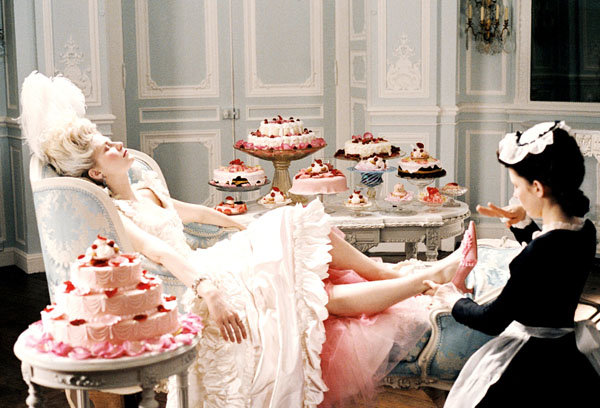
Pur non essendo una grande fan dei film in costume, ho adorato com’è stato curato ogni minimo dettaglio nel film Marie Antoinette di Sofia Coppola… Versailles con i suoi stucchi dorati rococò e le tappezzerie rosa sembrava un enorme cupcake.
5 cose da fare a Padova
1. Fare un giro tra le bancarelle di frutta e verdura di Piazza delle Erbe (possibilmente di mattina) e magari comprarci delle fragole.
2. Perdersi di sera nei vicoli del ghetto ebraico, con un bicchiere di vino in mano dopo aver mangiato in qualche osteria tipica
3. Snobbare tutti gli splendidi musei per cercare e toccare tutte le opere street art di KennyRandom sparpagliate per la città
4. In primavera, se è una bella giornata, passare qualche ora all’orto botanico. Se invece piove consiglio di visitare i musei snobbati al punto 3
5. Sempre se si tratta di una bella giornata, affittare una barca per fare il tour del fiume che circonda Padova. Il massimo sarebbe far guidare la barca ad un amico mentre ci si mangia le fragole comprate al mercato di Piazza delle Erbe.
Posso aggiungere una sesta cosa? Mangiare la pizza da Orsucci… Il posto è un buco ma la pizza è speciale… Buonissima! E’ più piccola di una pizza normale e te la servono su un foglio di carta.
Cosa fai quando non scrivi sul tuo blog?
Quando non scrivo sul blog cerco di concentrarmi sul progetto che sto preparando per l’esame del corso di arredamento d’interni che sto frequentando… Devo consegnarlo i primi di maggio, poi sarò ufficialmente una progettista d’interni
Inoltre sono coinvolta in una sorta di “Factory” tutta la femminile… Si chiama Cipria. Organizziamo eventi a tema nei club ed ognuna di noi ha un preciso compito, il mio è quello di allestire e scrivere sul blog. (cipria.org)
Qual è il migliore consiglio che hai ricevuto?
Il miglior consiglio che abbia mai ricevuto me l’ha dato l’architetto (una donna con cui sono molto in sintonia) che mi sta aiutando a ristrutturare casa… All’inizio la mia idea era quella di rivoluzionare il meno possibile l’appartamento (nonostante fosse proprio poco funzionale) perché ero sicura che magari in un secondo tempo avrei fatto una seconda ristrutturazione più radicale. Ma lei mi ha fatto capire che ristrutturare una volta per tutte ed in modo “definitivo” sarebbe stata l’opzione migliore, nonostante l’aumento sostanziale delle tempistiche e delle spese. Adesso sono molto soddisfatta di questa scelta coraggiosa che ho fatto.
If you love interior design and you’re looking for the right inspiration for a new home or if you just want to change the look of a room, you have to visit la tazzina blu. Camilla, the author of this very interesting blog, won first place for originality in the IKEA BLOG-IN Contest in Italy.
Where did you get the idea for “la tazzina blu”? La tazzina blu was created three years ago because I urgently needed to collect interior design photos… I’ve always been a fan of collecting, and after having created my “paper” archive of magazines, I decided to create one on the web where I could share (and talk about) the things I love with people who share my enthusiasm and interest for interior design.
What do you collect? I collect interior design magazines and I’m quite obsessed with archiving… I like to see all of them “lined up” in chronological order in their binders. If a fire broke out, I think they’d be the first thing I’d save!
What’s your current interior design obsession? Lately, I have been particularly drawn to the work of new Dutch designers. They are great at combining North European aesthetic minimalism with their eclectic style, combining unusual fluorescent colours with with light-coloured or white wood. In the next life I’d love to come back as an object designed by Scholten & Baijings, who are my favourite pair of designers at the moment. http://www.scholtenbaijings.com
What’s your current colour palette? The current colour palette that best reflects my taste is in natural earth tones mixed with shades of grey. But I have yet to find which colour makes me feel most at home…
What inspires you most? That’s a big question; I get inspired by all sorts of things. I often see beauty where you’d never think to find it, and I try to draw inspiration from the things going on around me. Writing a blog is a very important creative exercise for me. It’s kind of a vicious cycle: the more I write, the more I feel inspired…If I stop it will be the end. I am very focused on everything about interior design, but I admit I love finding great ideas in fashion and art.
You’re currently renovating your apartment. What are the mistakes to avoid when renovating? One big mistake is paying too much attention to current trends, or designing your home based on interior design magazines. First of all, you need to listen to yourself and focus on your own needs. You’re likely to renovate once or twice in your lifetime and you shouldn’t miss the opportunity to create something personal and unique.
What’s your favourite room to design and decorate? That’s the hardest question to answer…I like all domestic spaces and there isn’t one room in particular that I prefer more than others. I would say the bedroom but I realised that, even though it seems easy to design, it’s the room that caused me most trouble when planning my renovation… Ok, I’ll say the bedroom.
What’s your favourite movie set? While I’m not a big fan of costume dramas, I loved the attention to every tiny detail in Sofia Coppola’s film “Marie Antoinette”; with its Rococo gilded stucco works and pink upholstery Versailles looked like a huge cupcake.
5 Things to do in Padua 1. Go for a walk around the fruit and vegetable stands in Piazza delle Erbe (possibly in the morning) and maybe even buy some strawberries. 2. Spend an evening getting lost around the streets of the Jewish ghetto , with a glass of wine in hand after having eaten at a typical osteria. 3. Shun all the wonderful museums to go find and discover all the street art by KennyRandom dotted around the city. 4. On a beautiful spring day, spend a few hours at the botanical garden. If it’s raining, I recommend visiting the museums you previously avoided. 5. Once again, if it’s a beautiful day, rent a boat and take a tour along the river around Padua. The best option would be to let a friend steer the boat while you eat the strawberries you previously bought at the Piazza delle Erbe market.
May I add a sixth thing? Eating pizza at Orsucci …The place is a dive but the pizza is special, really delicious! It’s smaller than a normal pizza and they serve it on a sheet of paper.
What do you do when you are not writing your blog? When I’m not writing my blog, I try to focus on the project I’m preparing for the final exam of the interior design course I’m taking. I have to hand it in at the beginning of May, and then I’ll officially be an interior designer I’m also involved in a sort of female “Factory”: it’s called Cipria. We organise themed events in clubs and each of us has specific tasks to perform. I organise and write blog posts (cipria.org).
What’s the best piece of advice you’ve been given? The best advice I’ve been given came from my architect (I’m very in tune with her) who is helping me to renovate my home: at first my idea was to alter the apartment as little as possible (even though it was not really practical) because I was sure that I’d have to make a second, more radical renovation at a later date. But she helped me to understand that the best option was to renovate it all in one “final” go, despite the substantial increase in timing and costs. Now I am really happy with the bold choice I made.
E’ una traduttrice, una paper-sniffer, un’amante del vintage e io mi sono innamorata del suo negozio su Etsy.
Qual è la tua storia?
Sono nata in Inghilterra da genitori italiani. Dell’Inghilterra mi ricordo il sole che d’inverno tramontava alle 3 del pomeriggio e le giornate mutevoli, la vecchia scuola e una certa inquietudine. E la pioggia, ovviamente. La mia famiglia si è trasferita in Italia, in provincia di Modena, anni dopo. È stato difficile e penso che il trasferimento abbia influito sul mio carattere. Mi ha reso un po’ strana e con un certo gusto per i ricordi, il passato e tutto ciò che sa di struggente! Di italiano sapevo poco o nulla e ho imparato le base leggendo i fumetti di Topolino. Vivo ancora in provincia di Modena e tutte le caratteristiche mi sono rimaste.
Quando hai iniziato a lavorare come traduttrice tecnica?
Ho iniziato per caso. Ho lasciato l’università e non trovavo lavoro. Facendo un corso gratuito per fare il contabile (!), mi è stato vivamente consigliato di lasciare perdere e di rivolgermi a uno studio di traduzioni. L’ho fatto. Ero senza esperienza ma volenterosa di imparare e non avevo grandi aspettative economiche. Combinazione micidiale per un datore di lavoro! Ormai faccio questo mestiere da oltre 20 anni. Mi piace il settore meccanico, gli ingranaggi e gli impianti automatizzati con le loro fotocellule che autorizzano o negano. Sembra vuoto e privo di fascino e invece non è così.
In che modo il vintage si ricollega alla traduzione o viceversa?
Non saprei a dire la verità! Domanda difficile e mi piacerebbe rispondere in maniera originale. Nel mio caso, il legame è del tutto casuale. Mi sono avvicinata a entrambi i mondi, chiamiamoli così, in maniera casuale e assolutamente non romantica. Probabilmente per necessità. Un tempo, il vintage costava poco. Infatti, ‘vintage’ mi fa venire in mente i ‘rag-and bone-shops’ dell’austerità post-belllica piuttosto che il mondo raffinato che è diventato ora. E alle traduzioni mi sono avvicinata perché era un’alternativa di lavoro possibile. Un piccola luce in fondo al tunnel. Non è una relazione diretta ma un legame c’è.
Qual è la tua poesia preferita?
Non leggo molte poesie. Alle poesie mi avvicino con reverenza. Le reputo una forma di conoscenza e una fonte di rivelazione. Disporre le parole svela mondi diversi. Mi piacciono le Lucy Poems di Wordsworth. L’ultima parte è davvero commuovente. E ‘And did those feet in ancient time’ di William Blake, conosciuta anche come Jerusalem, che è anche uno splendido inno. Che talvolta canticchio.
Com’è iniziato “archivioGotico”?
Sempre per caso! Mi è sempre piaciuto pasticciare con la carta. Da giovane, quando non si avevano computer a disposizione, creavo riviste finte ritagliando disegni e articoli da altri giornali e incollandoli per creare qualcosa di nuovo. Sia io sia mia sorella abbiamo sempre giocato moltissimo con la carta, che ci procurava mio padre che lavorava in tipografia. Non mi ricordo bene come è iniziato tutto. Qualche volta capita così. Ti viene in mente un’idea e poi provi a realizzarla e poi tutto inizia a svolgersi. Ho iniziato con le cartoline. Le stampavo io e, viste le mie scarse conoscenze tipografiche, ho faticato non poco a stamparle in modo accettabile. Avevo già un e-shop di abbigliamento vintage su Etsy e così ho deciso di proporre anche gli oggetti di carta. Il negozio doveva chiamarsi GoticoArchivio. Chissà quali altri nomi mi erano venuti in mente! Peccato che non abbia alcun metodo e che non registro nulla dei processi creativi. Magari non serve a nulla ma sarebbe certamente divertente da riguardare negli anni a venire.
Quali sono i tuoi posti preferiti in cui trovare oggetti e carta vintage?
Il vintage mi piace trovarlo ai mercatini e in quelle botteghe di roba di seconda mano. Il vintage deve essere una scoperta e anche un affare, altrimenti una parte del piacere si smarrisce. Deve essere qualcosa di smesso e non riconosciuto, dimenticato e trascurato. Così è come una ricerca da cavaliere medioevale. C’è un racconto che parla di una vecchia signora che trova il Graal in un negozio Oxfam e se lo porta a casa. Giungerà Parsifal a reclamarlo. Mi piace. A proposito, è di Neil Gaiman e credo si chiami ‘Cavalleria’ in italiano. Per quanto riguarda la carta, è difficile trovarne di bella qui nei dintorni. Bisogna andare a Bologna o, meglio ancora, a Milano. Io la cerco un po’ ovunque. Anche nel magazzino dell’ufficio, dove se ne trova di bella e ingiallita. Spesso ne compro su internet. L’obiettivo è utilizzare solo carta e materiali riciclati.
Qual è il tuo pezzo vintage preferito?
Sicuramente i libri! Ho una minuscola collezione. Niente di prezioso ma è così bello guardarla!
Cosa ti ispira?
I ricordi e la musica. Qualsiasi musica, purché di buona fattura! Ho una predilezione per il buon pop inglese, quello che non ha etichette, suonata da anti-popstar. In realtà, l’ispirazione la trovi ovunque. Sfogli una rivista, trovi un vecchio libro o una vecchia foto. Gli stimoli sono troppi! Davvero. E io soffro di grave complesso di inferiorità.
Cosa collezioni?
Libri vecchi, etichette vecchie. Prima collezionavo gatti, in tutte le forme. Ma non sono molto metodica.
5 cose da fare a Modena
Modena non mi piace molto. Non per Modena, che è una città piacevole con un Duomo fantastico, ma non riesco ad affezionarmi. Innanzitutto, se venite a Modena, mangiate! Il cibo è buono, ricco e di qualità. Beveteci anche sopra, soprattutto se amate i vini poco impegnativi e frizzanti. Visitate il Duomo. Fate un giro nei dintorni e in collina. Ci sono tanti bei angoli e piccoli tesori.
Qual è la cosa più carina che qualcuno può dire di te?
Una volta una bimba che volevo farmi amica mi ha definito ‘weird’ che non è molto bello. Ero terribilmente dispiaciuta. Ma mi piace quando la gente mi definisce strana.
Ambizioni?
Fare qualcosa per bene e con tutte le conoscenze del caso. Che sia cucire, riparare le prese elettriche, collezionare francobolli. Sapere fare qualcosa bene e con amore è una gran cosa. Vorrei riuscire a suonare – bene – la chitarra, che suonicchio. Mi piacerebbe vivere di archiviogotico e diventare editore indipendente ma molto molto molto piccolo.Ho provato a realizzare qualche piccolo libro, con la preziosa collaborazione nonché le magiche parole del mio compagno, Andrea. Vorrei pubblicare piccole cose, non solo mie ma di altri. Cose fatte bene e con il cuore. Rendere felici le persone cui voglio bene. Mi piacerebbe anche fare il prestigiatore, il busker, la rockstar ma mi accontento.
She is a translator, a paper-sniffer, a vintage lover and I fell in love with her Etsy shop.
What’s your history? I was born in England but my parents are Italian. Of England I remember the sun setting at 3 pm, variable days, my old school and a certain restlessness. And the rain, of course. My family moved to Italy years after, to the district of Modena. Moving was difficult and I think it did have a big effect on my character. It made me stranger than I actually was before and gifted me with a love for memories, the past and everything melancholy! I didn’t speak much Italian and learnt the basics from Mickey Mouse comics in Italian. I still live near Modena and most of the characteristics mentioned above are still there.
When did you start working as a tecnical translator? I started by chance. I had left university and couldn’t find a job. I was attending a course to be an accountant and was strongly advised not to continue and to address my skills to a translation agency. So I did. I had no experience but was willing to learn and I didn’t expect much money. A wonderful combination for an employer. I have been translating for over 20 years. I love technical translations, especially in the field of mechanical devices and automated equipment. It sounds boring and charmless but it isn’t.
How does vintage relate to translation or viceversa? I really don’t know. It’s a difficult question and I’d like to give an original answer. In my particular case, the relationship is fortuitous. I approached both worlds – if that’s a suitable word – by chance and in a totally unromantic manner. From necessity, probably. Once, vintage was cheap. Vintage makes me think of post-war austerity and rag-and-bone shops rather than the refined vintage memorabilia we’re used to today. I approached translations as an alternative to having no job. That’s not a direct relationship but it does say something about me.
What is you favourite poem? I don’t read much poetry. I believe that poetry is a form of knowledge and a revelation so it deserves respect. I love Wordsworth’s The Lucy Poems. They are particularly touching. And ‘And did those feet in ancient time’ by William Blake, also known as Jerusalem, which is also a beautiful anthem. I still like singing it.
How “archivioGotico” started? By chance, of course! I have always loved meddling around with paper. When I was a teenager and we didn’t have computers, I used to cut out bits of magazines, assemble and glue them to create something new. My sister and I have always played a lot with paper, which my Dad brought home from his job in a printing factory. I don’t really remember how it all began. You get an idea and then you start working on it and there you are! I started with postcards. I printed them myself but it was a very messy activity. I was selling vintage on Etsy and I thought it would be a nice idea to try selling some of my creations. I thought of lots of names. Pity I never keep notes of my work. It would have been funny to read them later on.
What are your favourite places to find vintage things or paper? I like markets, scruffy ones and thrift shops. Vintage is supposed to be a discovery (or rediscovery) and a bargain. Otherwise it’s not as much fun, is it? You find something that has been totally forgotten, that has been neglected and that is unloved. It’s like a medieval quest. There’s this story about an old lady who finds the Holy Grail in an Oxfam shop, takes it home and puts it on her mantelpiece. I like that. It’s by Neil Gaiman, by the way and is called Chivalry. As far as paper is concerned, I must say that it’s rather difficult to find nice paper where I live. You have to go to Bologna or even Milan. So I buy a lot on the Internet. I have found some good paper in my office cupboard. Nice and yellow. The aim is to use only recycled paper.
What is your favourite vintage piece? Books! I have got a miniature collection of vintage books. Nothing precious but it’s lovely to look at them.
What inspires you? Memories, music. Any music, as long as it’s well-made. I love good quality English pop, of the kind you cannot define properly and played by people that don’t look like pop stars at all. You can find inspiration anywhere, in magazines, in old books or photos. In people you meet. There is really too much inspiration around. It’s confusing sometimes. And I suffer from inferiority complex.
What do you collect? Old books, old tickets. I used to collect anything to do with cats. But I have no method whatsoever.
5 things to do in Modena I actually don’t like Modena. It’s a pretty town with a marvelous cathedral but I am not really very very fond of it (sorry). Anyway, if you come to Modena, first of all eat. There’s lots of good and tasty food to try. And drink, especially if you like red sparkling wine. And visit the Cathedral of course. It was consecrated in 1184 and is a World Heritage Site. Tour the hilly countryside around. There are lots of lovely nooks and treasures.
What is the nicest thing someone can say about you? Once a girl I was fond of when I was small said I was ‘weird’. I was very upset. But I like people to tell me I’m strange.
Ambitions?
Doing something properly. Anything. Sewing, repairing plugs and sockets, collecting stamps. Doing something well and with care and dedication is brilliant. I’d like to play the guitar properly too. I do play but I’m awful. I’d like to turn archiviogotico into a full time job and be a publisher. A tiny tiny independent publisher. I have made a few attempts with the invaluable help and magical ‘word-manship’ of my partner, Andrea. I’d like to publish little books, made with love and care. And I’d like to make the people I love happy. And I wouldn’t mind being a magician, a busker or a rockstar.
Monica Vitti è una delle mie attrici preferite di sempre.
Monica Vitti is one of my favourite actresses of all time.
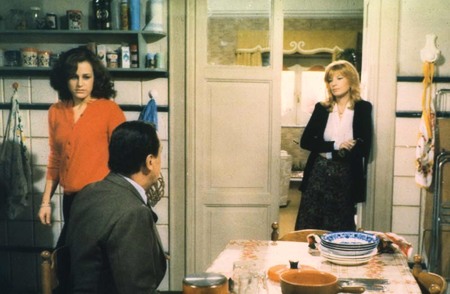
L’altro giorno ho visto “Io so che tu sai che io so”. Uno dei pochi film in cui uno dei personaggi è un traduttore.
In questo caso Flavia (Monica Vitti) lavora a casa come traduttrice.
I watched “Io so che tu sai che io so” the other day. One of the few movies that has a translator as a character.
In this case Flavia (Monica Vitti) works at home doing translation.
Fabio Bonetti(Alberto Sordi) è un impiegato di banca, che si gode la sicurezza di una casa tranquilla con una moglie amorevole e una figlia adolescente – fino a quando entra in pssesso di alcune pellicole filmate da un investigatore privato che gli svelano sua moglie Flavia (Monica Vitti) sotto una luce completamente nuova. Le pellicole Super 8sono state filmate per errore –il detective privato pensava di spiare la donna che abita sopra la famiglia Bonetti. Fabio vede che sua moglie beve quando non c’è nessuno in giro e scopre che sua figlia è tossicodipendente. Apprende che il suo medico aveva (erroneamente, si scopre poi) detto a Flavia che lui aveva solo pochi mesi di vita. Fabio crede che sia tutta colpa suae decide di essere un marito migliore fino a quando non viene a conoscenza della relazione della moglie con un altro uomo.
Fabio Bonetti (Alberto Sordi) is a bank employee, enjoying the security of a peaceful home with a loving wife and a teenage daughter — until he comes across some film taken by a private investigator that reveals his wife Flavia (Monica Vitti) in a whole new light. The Super-8 clips were taken by mistake — the private eye thought he was filming the woman who lives above the Bonetti family. Fabio sees that his wife drinks when no one is around and he discovers that his daughter is adrug addict. Next, he learns that his doctor had (mistakenly, it turns out) told Flavia that he only had a few months to live. Fabio believes that it is all his fault and resolves to be a better husband until he learns of his wife’s affair with another man.
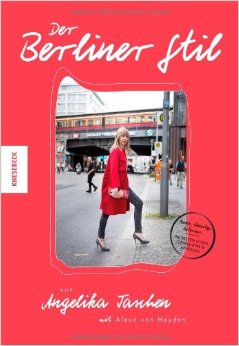
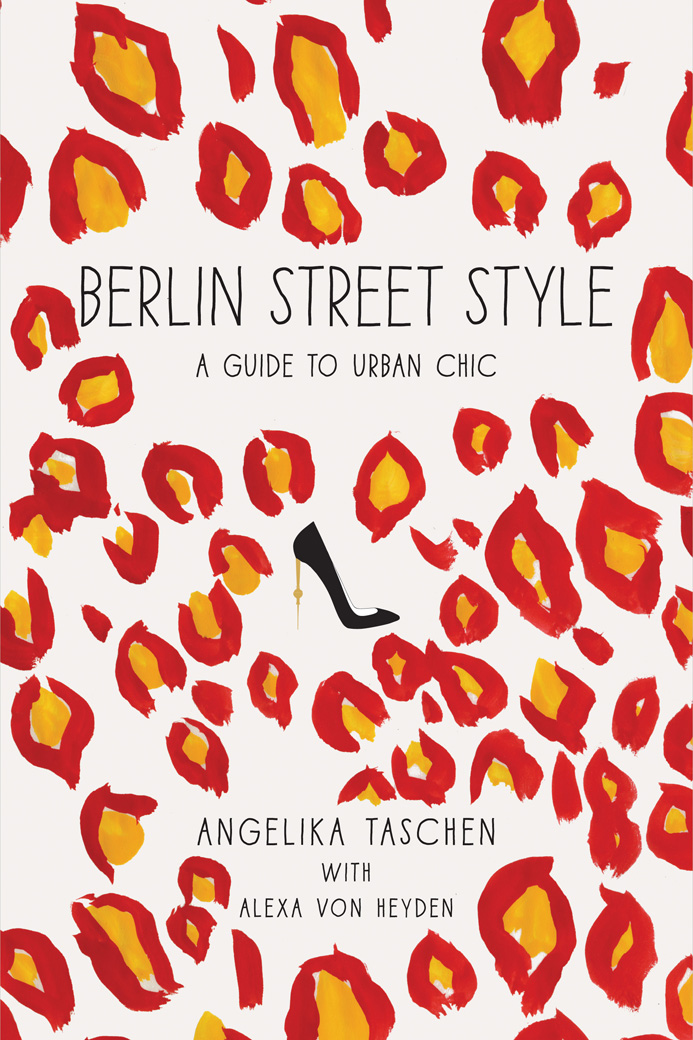
Se amate Berlino, non potete perdervi l’ultima guida allo stile berlinese.
“Der Berliner Stil” è un libro dell’editrice tedesca Angelika Taschen sullo stile delle berlinesi e sulle loro abitudini. Una selezione di indirizzi abbinata ai segreti dello shopping.
If you love Berlin, you can’t miss the ultimate guide about Berlin style.
“Der Berliner Stil” is a book by German publisher Angelika Taschen about Berlin people’s style and fashion habits. It’s a nice selection of Berlin addresses combined with shopping secrets.
Lei è Chiara Manfrinato. Nata e cresciuta a Palermo, vive a Parigi dove, tra le altre cose, collabora con il CNL, valuta romanzi per editori italiani e francesi e traduce narrativa contemporanea. Gli autori ai quali ha prestato la voce con maggiore piacere sono i francesi Marc Dugain e Antoine Audouard e la belga Jacqueline Harpman. Nel 2008, ha curato l’antologia “Il mestiere di riflettere. Storie di traduttori e traduzioni”.
She is Chiara Manfrinato. She was born and raised in Palermo, but now lives in Paris where, among other things, she works with the CNL. She also assesses novels for Italian and French publishers and translates contemporary fiction. She has thoroughly enjoyed translating for the French authors, Marc Dugain and Antoine Audouard, as well as the Belgian author, Jacqueline Harpman. In 2008, she edited the anthology “Il mestiere di riflettere. Storie di traduttori e traduzioni”.
– 5 cose che hai imparato dalla tua esperienza come curatrice del libro “Il mestiere di riflettere”
Ho imparato tante cose, lavorando al “Mestiere di riflettere”. Cose belle ma anche cose meno belle. Ho imparato, per esempio, che i lettori sono curiosi, interessati, vogliono sapere e capire cosa succede quando si traduce un libro. Abbiamo fatto diverse presentazioni-incontri, dopo l’uscita del libro, in varie città d’Italia, nelle fiere, alle Giornate della Traduzione di Urbino. E abbiamo sempre trovato un pubblico partecipe e stimolante, oltre che eterogeneo, perché ovviamente era composto anche da traduttori o da aspiranti tali, ma soprattutto da “lettori comuni”. Ho imparato anche, o almeno ne ho avuto la conferma, che non esiste un solo modo di tradurre, e le storie contenute nella raccolta lo dimostrano: ciascuno ha un approccio diverso ed è proprio quell’approccio, declinato nella strategia traduttoria che decide di attuare, nelle scelte che caso per caso si prendono, e via discorrendo, che distingue un traduttore dall’altro. E al di là di tutti i discorsi sull’invisibilità, ciascuno di noi mette necessariamente un po’ di sé (personalità, sensibilità, vissuto) in quello che traduce. “Il mestiere di riflettere” è stata anche una splendida esperienza umana, perché mi ha permesso di allacciare o rinsaldare legami con tanti ottimi colleghi che poi sono diventati anche carissimi amici.
– What 5 things have you learned from your experience as editor of the book “Il mestiere di riflettere”?
I learned a lot while working on the book “Il mestiere di riflettere”, some fantastic things but also some not so fantastic things. For example, I learned that readers are curious and passionate; they want to know and understand what happens when you translate a book. Following the release of the book, there were several launches and meetings in various Italian cities, at fairs, and during the Literary Translation Days in Urbino. We always found the audience to be involved and stimulating, a real mixed group, because it naturally also included translators or aspiring translators but in particular “ordinary readers”. I also learned, or at least I had my suspicion confirmed, that there is not just one way to translate, and the stories in the collection prove this: every translator has a different approach and it is precisely that approach, adopted in the strategy that the translator decides to use, in the choices made on a case by case basis and so on, which distinguishes one translator from another. Beyond all the talk of invisibility, we all cannot help but include a little part of ourselves (personality, perception, experience, etc) in what we translate. “Il mestiere di riflettere” was also a wonderful personal experience, because it allowed me to build or strengthen bonds with so many wonderful colleagues who later became very dear friends too.
– Cosa ti entusiasma di più della traduzione?
Mi diverte molto il mimetismo richiesto dalla traduzione letteraria. Una cosa che bisogna imparare a fare, il più velocemente possibile, è calarsi nei panni dell’autore e del personaggio di turno, non solo per trovare la famosa “voce” quanto per compiere, anche solo istintivamente, delle scelte coerenti e credibili, idealmente dalla prima all’ultima pagine. Ma allo stesso tempo, bisogna sempre tenere a bada l’ego, non sovrapporsi, non imporsi. In fase di revisione, quando mi confronto con altri occhi e altre orecchie, mi capita spesso di dire, di fronte a certe osservazioni o proposte di modifiche: “Ma Tizio non userebbe mai questa parola o questa espressione se parlasse italiano”. E mi entusiasma lavorare gomito a gomito con i bravi revisori, e mi è capitato di incrociarne, perché è lì che, tante volte, grazie a uno sguardo nuovo, fresco, e probabilmente più distaccato, si sciolgono nodi e si vedono cose che, fino a quel momento, erano rimaste in ombra.
– What excites you most about translating?
I really enjoy the mimicry required by literary translation. One thing that we must learn to do, as quickly as possible, is to step into the shoes of the author and the character at that moment, not only to find the famous “voice” but also to make, if only by instinct, consistent and credible choices, ideally from the first page to the last. But at the sametime, we must always restrain our ego, avoid intruding and imposing ourselves. During the review process, whenI had to deal with other people’s interpretations,I would often say, in regard to certain comments or proposals for changes, “But Tizio would have never used this word or this expression if he had spoken Italian.” I find it exciting to workside by side with good proof-readers, and there were times when we disagreed but this is when, thanks to a new, fresh, and probably more detached point of view, that we can unravel knots and see things that had remained in the shadows until that moment.
– Hai qualche consiglio per aspiranti traduttori letterari?
Smettete finché siete in tempo. Io stessa ho smesso, o quasi, nel senso che da qualche anno a questa parte, traduco pochissimo, solo se la proposta arriva da un buon editore, se il libro mi piace, se la tariffa è per lo meno onesta… Vivere di traduzione letteraria, oggi, in Italia, è difficilissimo anche per i traduttori affermati. Ma a un aspirante traduttore letterario che fosse così testardo da voler intraprendere comunque questa strada impervia, consiglierei soprattutto di leggere: leggere tanto dalla lingua dalla quale traduce, leggere tanto in lingua italiana, e leggere tante traduzioni. La lettura affina la sensibilità letteraria, una qualità fondamentale, forse la più importante per chi voglia fare questo mestiere. E consiglierei anche di imparare a dire di no: non soltanto alle proposte indecenti, che spesso arrivano, e non solo agli aspiranti traduttori, ma anche ai libri con i quali non ci si sente in sintonia, per le ragioni più disparate che vanno dallo stile, all’argomento, alle ambientazioni. Non tradurre è meglio che tradurre male o in modo sciatto. È meglio per il traduttore, che si eviterà le figuracce, ed è meglio per i lettori.
– Do you have any advice for aspiring literary translators?
Stop now, while there’s still time. I myself have stopped, or nearly so, in the sense that for some years now I have translated very little; I only accept if an offer comes in from a good editor, if I like the book, or if the rate is at least fair. Nowadays, making a living from literary translation in Italy is very hard even for established translators. But if any aspiring literary translators are so stubborn as to want to embark on this difficult road, then I would advise them to read above all else: read a lot in the source language, read a lot in Italian, and read a lot of translations. Reading sharpens your literary acumen, which is a fundamental quality, perhaps the most important for those who want to do this job. I would also recommend learning to say no, not only to the indecent offers which often come in, and not just for aspiring translators, but also say no if you are not in tune with the book, whatever the reason, be it style, subject, or setting. It is better not to translate than to do it poorly or carelessly. This is better for the translator, who will avoid looking like a fool, and it will be better for the readers as well.
– Un libro che ti ha cambiato la vita
Non credo ci sia un libro che mi ha cambiato la vita. Diventare una lettrice, quello, forse, mi ha cambiato la vita. Indubbiamente imbattermi in certi autori mi ha un po’ cambiata come persona. Se devo fare un nome, direi Bret Easton Ellis. Ma non saprei scegliere un titolo. Metto sullo stesso piano i suoi sei romanzi, che rileggo spesso. Tra l’altro, è stato leggendo per la prima volta American Psycho che mi si è imposta la consapevolezza della traduzione. Mi ero innamorata di quel romanzo, ma sentivo che c’era qualcosa di stonato nella versione che stavo leggendo. Anni dopo, infatti, il libro è uscito per Einaudi, in una diversa, e decisamente migliore, traduzione. E poi c’è un libro che ho tradotto, uno dei primi peraltro, che ha avuto un impatto sulla mia vita personale. All’epoca, ero in contatto con l’autore, che ho consultato riguardo a una serie di punti che per me erano ambigui, e non volevo correre rischi, interpretare male. Io e quell’autore abbiamo continuato a scriverci regolarmente negli anni: lui mi aggiornava su quello che scriveva e pubblicava, io su quello che traducevo, e poi ci scambiavamo consigli di lettura. Da quando vivo a Parigi, è uno dei miei migliori amici, e se sono rimasta in questa città, dove ero arrivata con l’intenzione di restare due o tre mesi al massimo, è stato anche grazie a lui che, all’epoca, mi ha aiutata molto in tutta una serie di aspetti pratici e burocratici. Ogni tanto, davanti a un bicchiere di vino, ci facciamo due risate pensando a cosa succederebbe se mi ritrovassi, oggi, a dover tradurre uno dei suoi romanzi.
– A book that changed your life
I don’t think there’s one book that has changed my life. Perhaps becoming a reader changed my life. Undoubtedly running into some authors has changed me slightly as a person. If I have to give one name, I would say Bret Easton Ellis. But I could not choose a title. I put his six novels on a par, and I often re-read them. Besides, when I first read “American Psycho” I was vividly aware of the translation. I was in love with that novel, but I felt something wasn’t quite right with the version I was reading. Years later, in fact, the book was published by Einaudi, with a different and decidedly better translation. And then there’s a book that I translated, one of my first ones, which has had an impact on my personal life. At the time, I was in contact with the author, I consulted him about a number of points that were ambiguous to me, and I did not want to take any risks, or to misinterpret them. That author and I have continued to write to each other regularly over the years: he updated me on what he was writing and publishing and I let him know what I was translating, and then we exchanged reading recommendations. Since I’ve been living in Paris, he has been one of my best friends. It’s thanks to him that I stayed in this city, as I had only planned to stay for two or three months at most, but he really helped me with a number of practical and bureaucratic issues when I arrived. Every now and then, we have a laugh over a glass of wine, thinking about what would happen if once again I had to translate one of his novels.
Di vantaggi pratici, non ce ne sono molti, specie in un’ottica professionale. All’inizio pensavo che sarebbe stato più facile fare scouting, per esempio, ma i fatti mi hanno dato torto. I diritti dei libri “importanti” si trattano molto prima che i libri vengano pubblicati, anche se qui in Francia meno che negli USA. E si pubblica poca narrativa francese, in Italia. È veramente difficile convincere gli editori a puntare su esordienti o autori emergenti che non abbiano già “conquistato” Parigi. Vivendo qui, però, ho avuto modo di fare esperienze in ambito editoriale che non avrei fatto se fossi rimasta in Italia: leggere per alcuni editori francesi, collaborare con il Centre National du Livre. I vantaggi, se così vogliamo chiamarli, dal punto di vista personale, non saprei… vivo in una città che mi piace, dove faccio cose che mi piace fare, credo sia tutto.
– What are the advantages of living in Paris?
There are not many practical advantages, especially from a professional point of view. For example, at first I thought it would be easier to drum up new business but I was proven wrong. The rights to “important” books are negotiated long before the books are published, although less so here in France than in the US. And hardly any French fiction is published in Italy. It’s really hard to convince publishers to focus on newcomers or emerging authors who have not already “conquered” Paris. However, living here I’ve had the opportunity to gain experience in publishing that I would not have had if I had stayed in Italy: reading for some French publishers, working with the Centre National du Livre. The benefits, if we want to call them that, from a personal point of view, I don’t know…I live in a city that I like, where I do things that I enjoy doing, I guess that’s all.
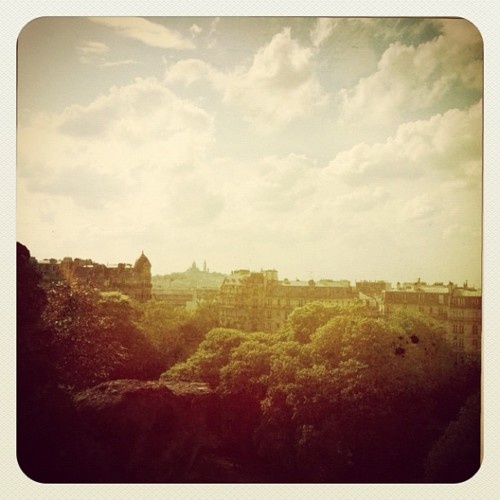
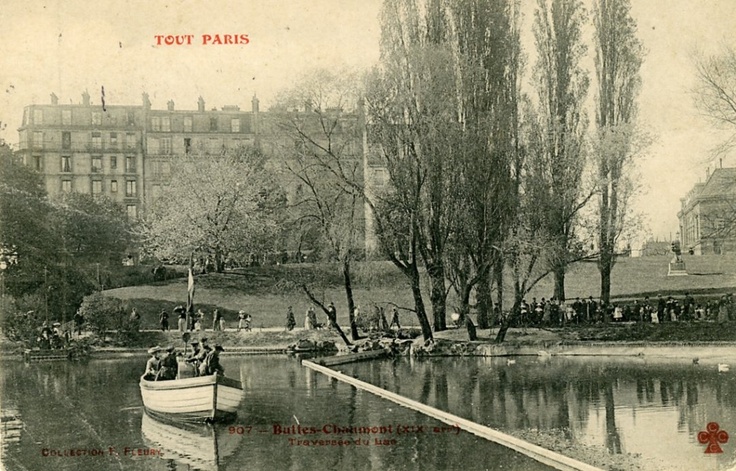
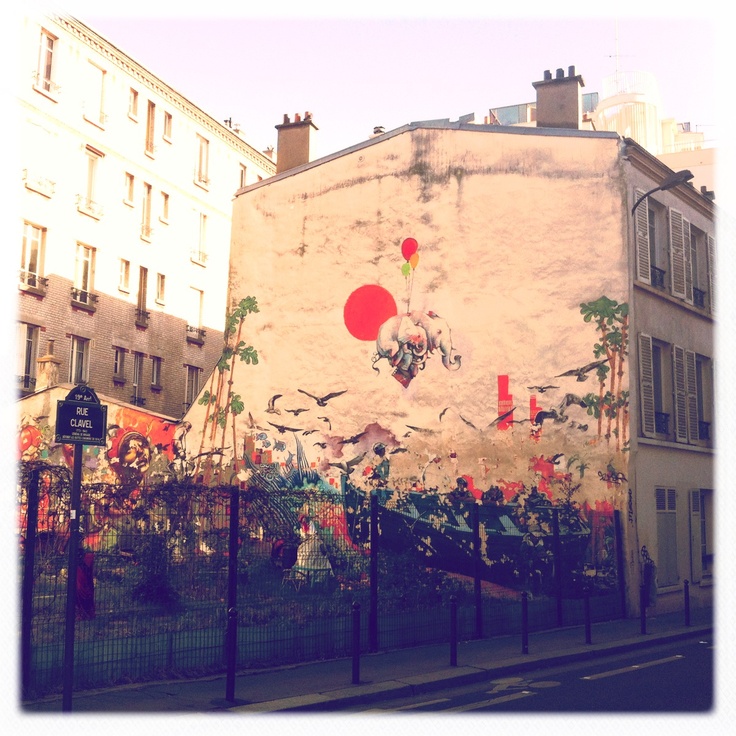
Sono molto legata al mio quartiere, Belleville, praticamente l’unico in cui abbia vissuto (escluse due brevissime parentesi). In particolare, amo molto il parco delle Buttes-Chaumont, dove trascorro molto tempo d’estate, e il canal Saint-Martin, lungo il quale vado a passeggiare quando ho bisogno di rilassarmi. E poi ho i miei cafés preferiti, tutti tra Belleville e il canale, frequentati per lo più da clienti abituali, da chi abita nel quartiere: ci vado spesso per leggere, se devo scrivere delle schede, per esempio.
– What are your favourite places in Paris?
I have a strong connection with my neighbourhood, Belleville, practically the only one I have ever lived in (except for two very brief breaks). In particular, I love the Buttes-Chaumont park, where I spend a lot of my time in the summer, and the Canal Saint-Martin, where I go for walks when I need to relax. And then I have my favourite cafés, all in between Belleville and the canal, which are mostly frequented by regulars, by people who live in the neighbourhood: I often go there to read, or if I have to write any notes, for example.
Mi mancano poche cose di Palermo, se devo essere onesta. Il mare, però, mi manca moltissimo, così come il clima. E certi cibi, introvabili qui. E poi un paio di amici di vecchissima data, con i quali sono stata adolescente, se così si può dire, e che non ho mai perso di vista. A volte, specialmente quando compro un biglietto per un determinato concerto, penso sia un peccato che loro non possano venirci con me.
– What do you miss about Palermo?
I don’t miss much about Palermo to be honest. However, I miss the sea a lot, as well as the climate. And certain foods which you just can’t get here. A couple of my oldest friends as well; we more or less grew up together and were never out of each other’s sight. Sometimes, especially when I buy a ticket for a particular concert, I think it’s a shame that they cannot come with me.
– Cosa ti sorprende di più?
Sono una persona tendenzialmente blasée, come direbbero qui. Che sia in positivo o in negativo, sono pochissime le cose che mi sorprendono.
– What surprises you the most?
I’m generally quite “blasé”, as they would say here. Regardless of whether it is negative or positive very few things surprise me.
Da quando abito a Parigi, ho una vita lavorativa parallela. Non vivo di traduzione, tutt’altro. Lavoro nel campo del web, come community e project manager. Ma al momento lo faccio da freelance, quindi ho anche molto tempo libero che passo, essenzialmente, leggendo oppure chiusa dentro a un cinema. E vado ai concerti e all’opera.
– What do you do when you’re not translating?
Since I’ve been living in Paris, I have a dual working life. I don’t make a living purely from translation, far from it.I work on the Web as a community and project manager. But at the moment I freelance, so I also have much free time that I essentially spend reading or locked up in a cinema. I also go to concerts and to the opera.
– Qual è il tuo prossimo progetto di traduzione?
Nessuno, ora come ora. Ho da poco finito di tradurre un romanzo bellissimo che sta per uscire, e qualche giorno fa ho rifiutato una proposta indecente, per via della tariffa. Ho segnalato a un editore con cui sono in ottimi rapporti, il romanzo di un autore belga che mi piace molto, chissà che non convinca l’editor a comprare i diritti, anche se non è facile… Ma come ti dicevo prima, da qualche anno in qua traduco molto poco. E non è detto che nel mio futuro ci sarà un prossimo progetto di traduzione.
– What is your next translation project?
Nothing right now. I’ve just finished translating a beautiful novel that is coming out, and a few days ago I refused an indecent offer because of the rate. I’ve told one of the publishers I know well about a novel by a Belgian author which I really like, maybe I will convince the editor to buy the rights, even though that’s not easy … But as I said before, for quite a few years now I’ve translated very little. Nor am I sure that there will be another translation project in my future.
“Quando si sogna in un’altra lingua, quella lingua è tua. Non è più uno strumento di comunicazione razionale ma appartiene all’inconscio.” Antonio Tabucchi
Voi che ne pensate? Vi è mai capitato di sognare in un’altra lingua?
“When you dream in another language, that language is yours! It is no longer an instrument of rational communication, but it belongs to the unconscious. ” Antonio Tabucchi
What do you think about this? Have you ever dreamed in another language?
La mia nuova dipendenza si chiama Kinfolk!! Per chi ancora non lo sapesse Kinfolk è una deliziosa rivista trimestrale, dove la pubblicità non esiste. Nasce nel 2011 dalle menti vivaci di una comunità di creativi e vanta 9 uscite, di cui l’ultima tradotta in giapponese e russo.
My new addiction is called Kinfolk! For those of you who don’t know what Kinfolk is, it’s a delightful quarterly magazine, where there are no ads. Created in 2011 by a vibrant community of creative professionals, Kinfolk has published 9 issues and Kinfolk Issue Nine has also been translated into Japanese and Russian.
KINFOLK ISSUE NINE
Il team di Kinfolk organizza eventi e workshop in tutto il mondo, ha pubblicato un libro di ricette The Kinfolk Table, e creato una serie di video.
The Kinfolk team organizes events and workshops around the world, has published a cookbook called “The Kinfolk Table”, and launched a series of videos.
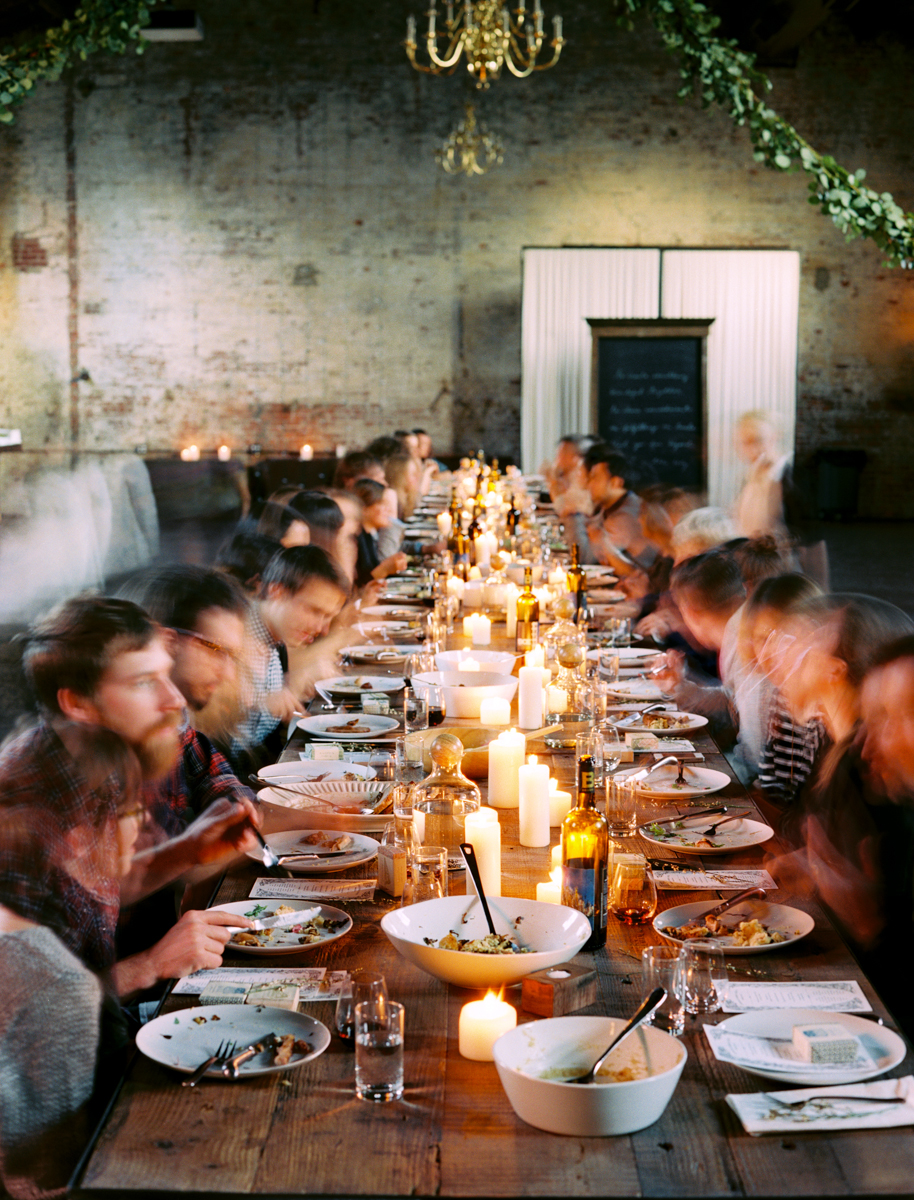
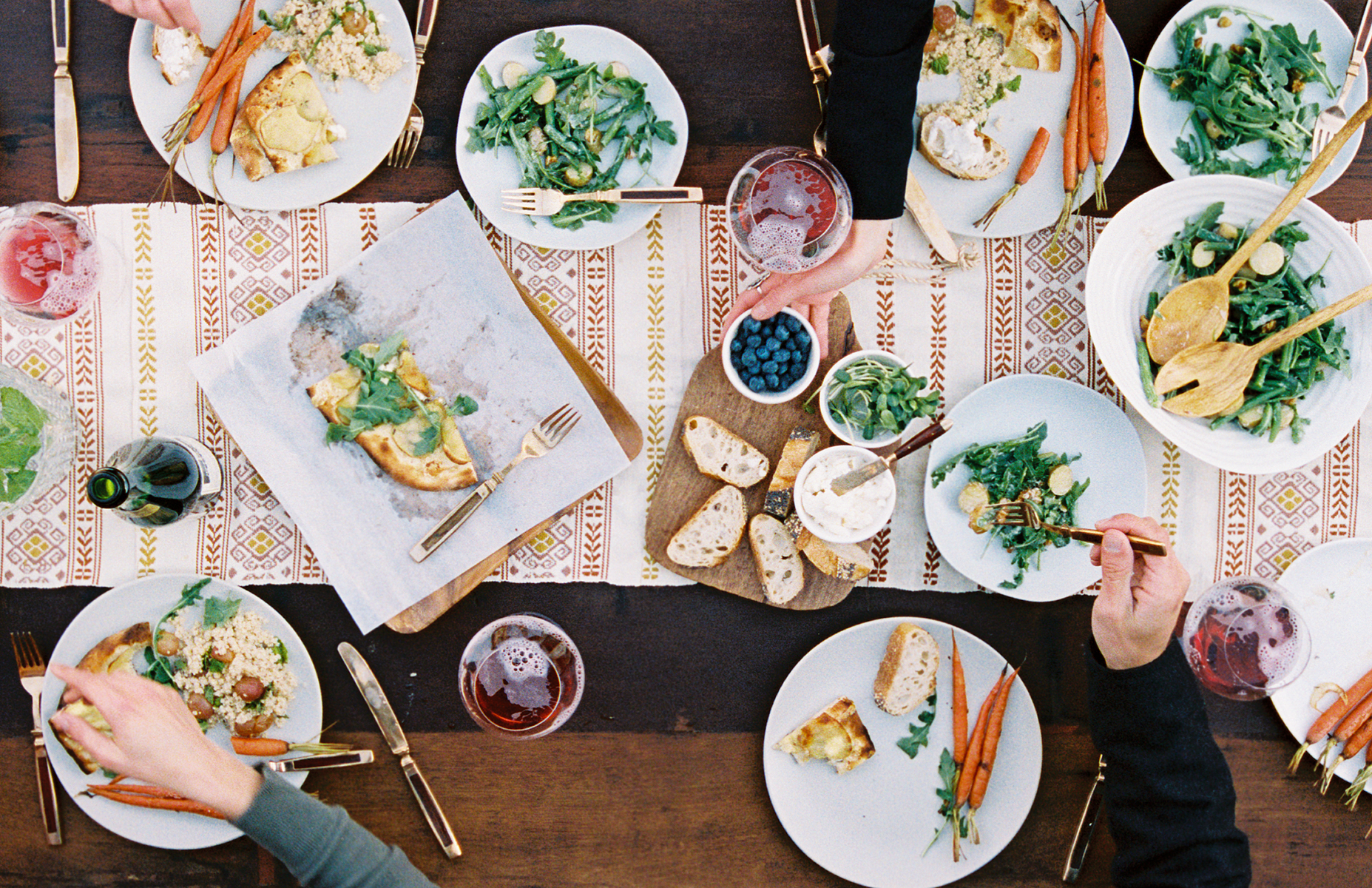
Kinfolk celebra la convivialità, la cura per il design e i dettagli.
Kinfolk celebrates being together in small gatherings and the attention to design and details.
ISSUE 7 Photograph by Parker FitzgeraldISSUE 4 Photograph by Leo PatroneISSUE 2 Photograph by Lisa Warninger
Kinfolk enfatizza l’importanza della “community” e invita i lettori ad una partecipazione attiva al di là della rivista.
Ogni numero vuole così essere fonte di ispirazione, fornendo ai lettori idee, ricette e consigli pratici per ricreare ambienti piacevoli che favoriscono le relazioni umane, persino in contesti urbani.
Kinfolk emphasizes the importance of community and invites its readers to participate in their community outside the physical magazine.
Each issue provides inspiration, ideas, recipes and practical tips for readers to be able to recreate environments that encourage relationships with others, even in urban contexts.
ISSUE 3 Photograph by Leo PatroneISSUE 7 Photograph by Clement Pascal






























 Anatomie des Mots
