Anatomia di Firulì Firulà

image9(1)


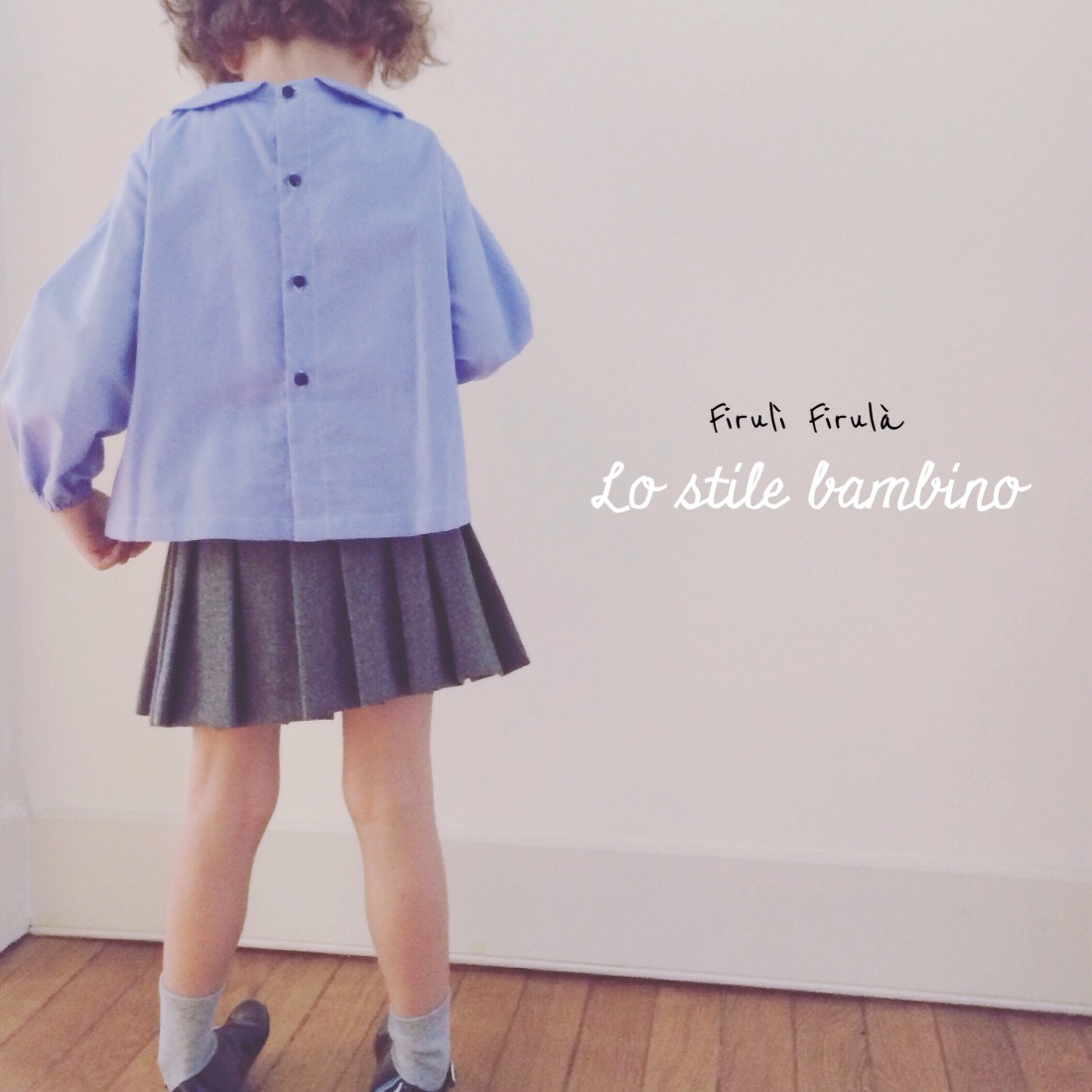
Firulì Firulà è un marchio di abbigliamento per bambini da 0 a 6 anni, nato dalla creatività di Rosa D’Agostino. I vestiti, che lei stessa realizza, sono intrisi di nostalgia e romanticismo e rilevano una squisita abilità manuale.

1. Che cos’è Firulì Firulà?
È il mio piano B. Un sogno che ho faticato a riconoscere. Uno stato dell’anima. Sono io!

2. Come è nata l’idea di Firulì Firulà?
Un vestitino dopo l’altro. Da principio quasi un divertissement, poi una vera urgenza creativa. Alla fine una scelta convinta, maturata grazie al sostegno di mio marito. Grazie Fabio.

3.Quando hai iniziato ad interessarti all’abbigliamento per bambini?
Durante la mia prima gravidanza. Curiosando tra gli shop online dedicati all’infanzia ho scoperto – e con grande entusiasmo! – che esistevano designer e brand che proponevano capi di alta qualità, frutto di un vero ingegno creativo, e sopratutto fuori dai circuiti della grande distribuzione.
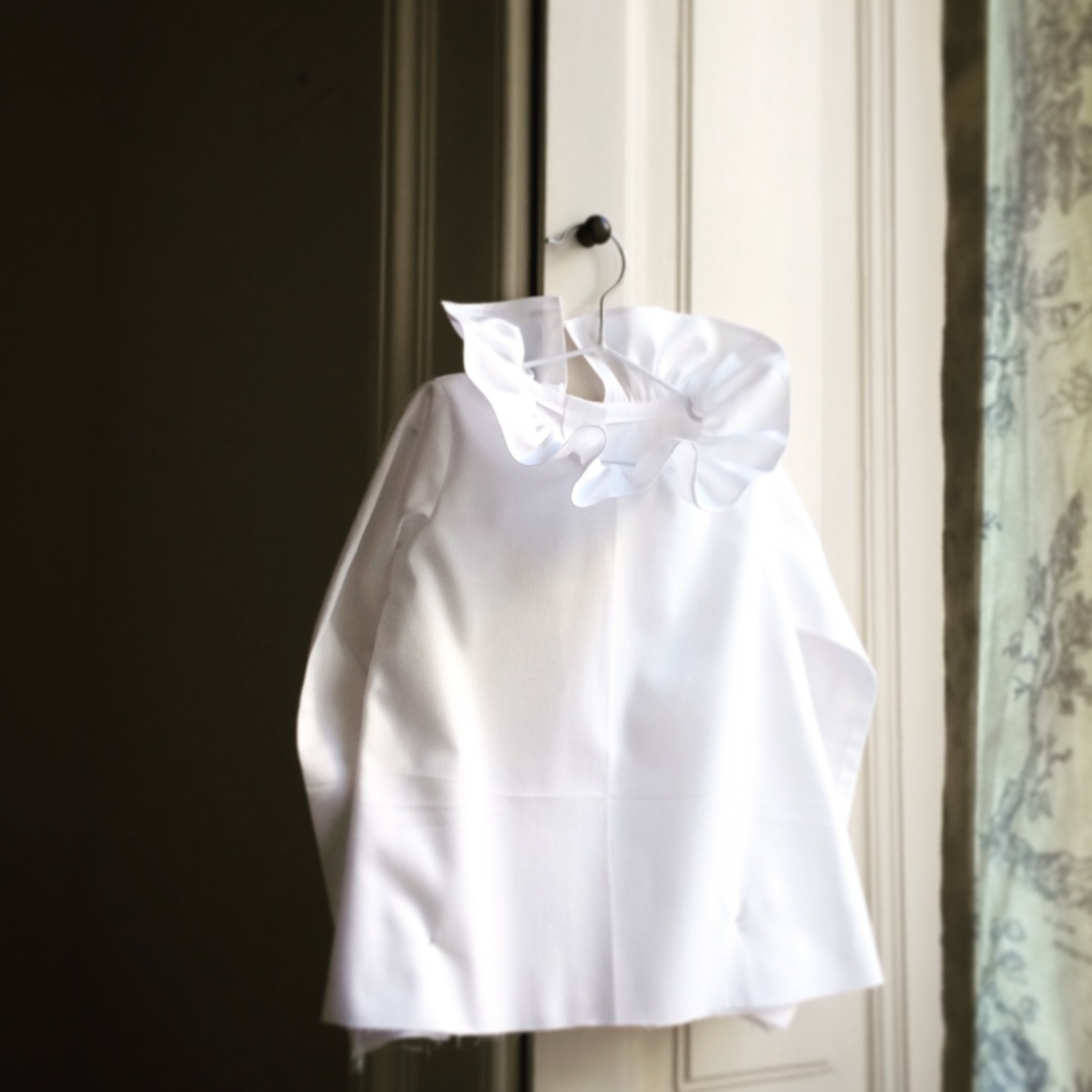
image5(1)

4.Dove trovi ispirazione?
Curiosando nel passato, sempre. Sono una nostalgica e le atmosfere retrò mi affascinano fatalmente. Dai cartoni animati, ai libri illustrati, passando per le tazze da te.

5.Cosa ritieni importante quando disegni gli abiti per i bambini?
I bambini.

6. Questo blog si chiama Anatomie des mots: l’anatomia delle parole è una grammatica segreta, la loro intima connessione con le cose che ci circondano. Potresti fare l’anatomia delle parole “Firulì Firulà”?                                                                                                               Firulì Firulà è il fischiettare scanzonato di chi col sole in faccia se ne va per la via, saltellando quasi. Ed è anche il fischiettare soddisfatto che mi risuona in testa quando un nuovo progetto sta prendendo forma tra ritagli di stoffa e capocchie di spilli.
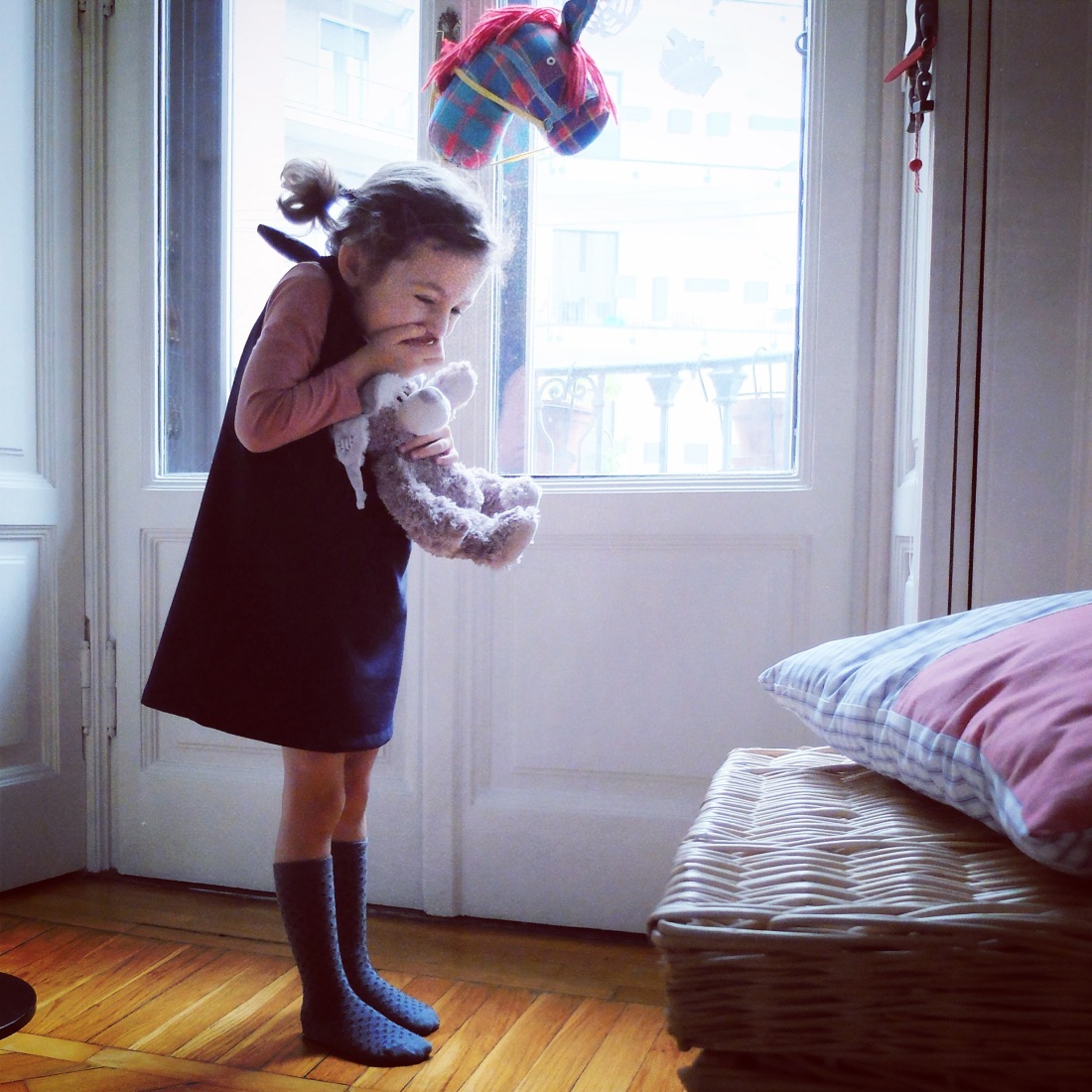
image10(1)

7.Sei un’imprenditrice e mamma di due bambini. Come concili lavoro e famiglia?
Imprenditrice, io??!? No no no, prego. Sono una artigiana molto appassionata e non nascondo l’impegno e le fatiche alla mia famiglia perchè è anche questo una lezione di vita.

8. Qual è il tuo libro per bambini preferito?
Pinocchio, nella sua versione originale.

9.Di quali abitudini passate e forse perse senti di più la nostalgia?
I fazzoletti di cotone, per esempio. Ma potrei citarne diverse altre. Sono una nostalgica, l’ho già detto? 🙂

10. Il tuo sogno di felicità
Diventare nonna.

11. 5 cose da fare a Milano
Perdersi con la testa tra le stelle al Planetario, meglio se in compagnia di una mano da stringere.
Ordinare un ombrello su misura – l’ombrello per la vita – magari dal disegno retrò, nello storico laboratorio Maglia.
Prendere un caffe alla bottega Hodeidah e nel mentre scegliere un ‘ricordo’ goloso da portare a casa.
Rilassarsi un momento al piccolo e grazioso Orto Botanico di Brera.
Attraversare il cortile di Palazzo Bagatti Valsecchi in un giorno feriale e lasciarsi tentare dal Salumaio di Montenapoleone.


1.What is Firulì Firulà?

It’s my plan B. A dream that I struggled to recognize. A state of the soul.

2.How was the idea behind Firulì Firulà born?

One dress after another. From the beginning almost a diversion, then a real creative urgency. Eventually a well-thought choice made thanks to the support of my husband. Thanks, Fabio.
3.When did you first become interested in children’s clothing?

During my first pregnancy. By browsing online shops dedicated to children, I discovered – with great enthusiasm! – that there were designers and brands that offered high quality garments (the result of a true creative genius) and especially  besides the usual large retailers.

4.Where does your inspiration come from?

By browsing in the past, always. I am a nostalgic and I am dramatically fascinated by retro atmospheres. From cartoons, to illustrated books, through tea cups.

5. What do you believe is important when designing children’s clothes?

Children.

6.This blog is called Anatomie des mots: the anatomy of words is a secret grammar, their intimate connection with things around us. Could you anatomize the words Firulì Firulà”?

Firulì Firulà is the lighthearted whistling noise of those who walk with the sun shining on their faces, almost hopping. And it is also the happy whistling  in my head when a new project is taking shape, between scraps of cloth and pinheads.

7.You are an entrepreneur and mother of two. How do you balance work and family life?

Businesswoman, me ??!? No, no, no, please. I am a very passionate artisan and I do not hide the commitment and efforts from my family because this is also a life lesson.

8.What is your favourite children’s book?

Pinocchio, in the original version.

9.What past or maybe lost habits do you feel most nostalgic about?

Cotton handkerchiefs, for example. But I could mention many others. I am a nostalgic, haven’t I mentioned it? 🙂

10.What is your dream of happiness?

Becoming a grandmother.

11.Tell us 5 things to do in Milan

Get lost with your head in the stars at the Planetarium, preferably in the company of a hand to hold.
Order a custom made umbrella – the umbrella for life – maybe with a retro design, at the historic workshop Maglia.
Have a coffee at bottega Hodeidah while choosing a tasty ‘souvenir’ to take home.
Relax yourself for a moment at the small and charming Brera Botanical Garden.
Cross the courtyard of Palazzo Bagatti Valsecchi on a weekday and allow yourself to be tempted by the  Salumaio of Montenapoleone.


Anatomia de L’armadio di Oliver

11896067_883474281689257_5824986857280443035_n

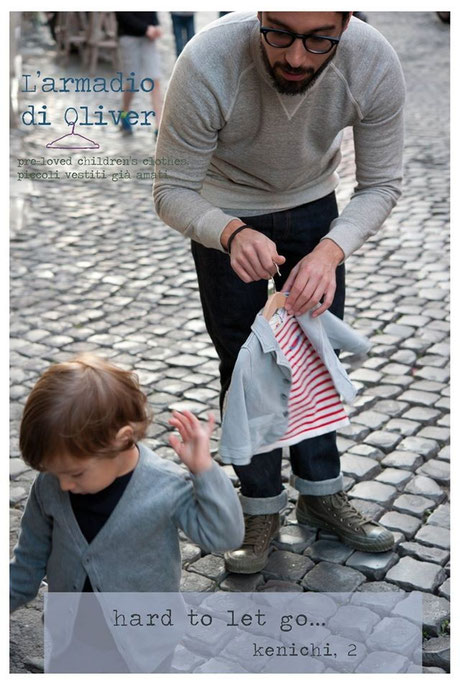
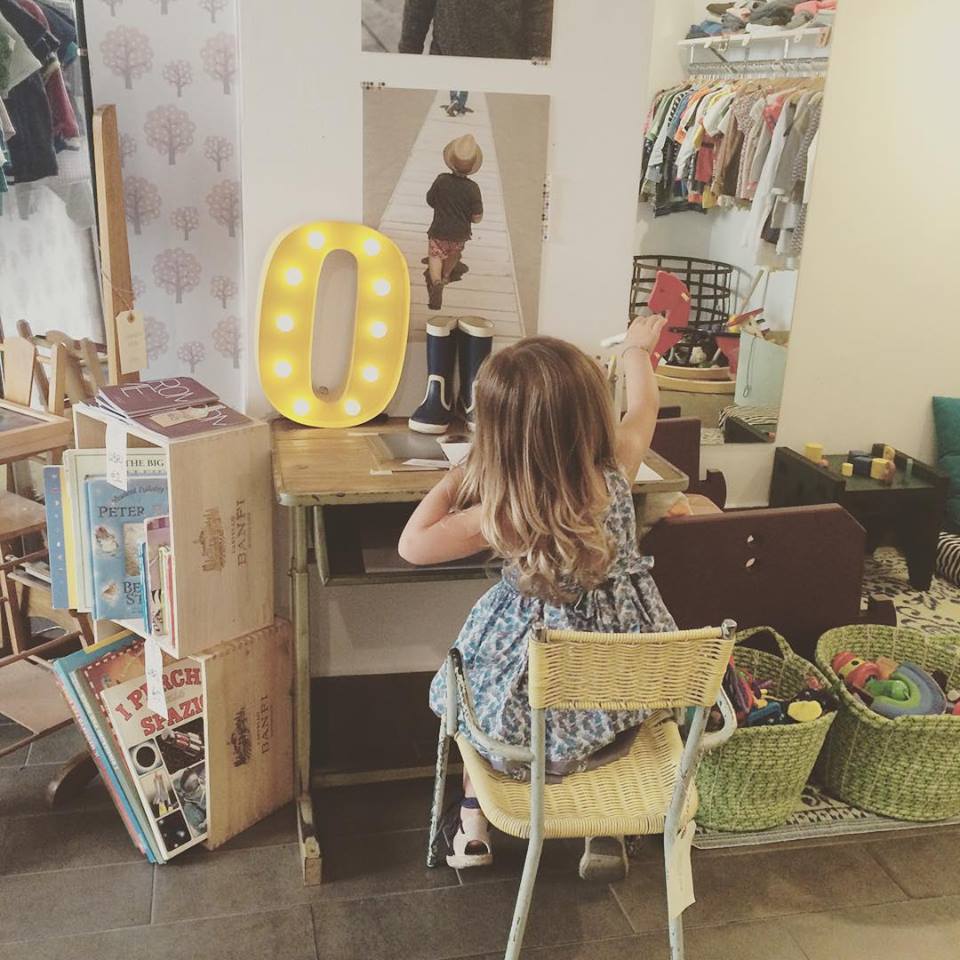
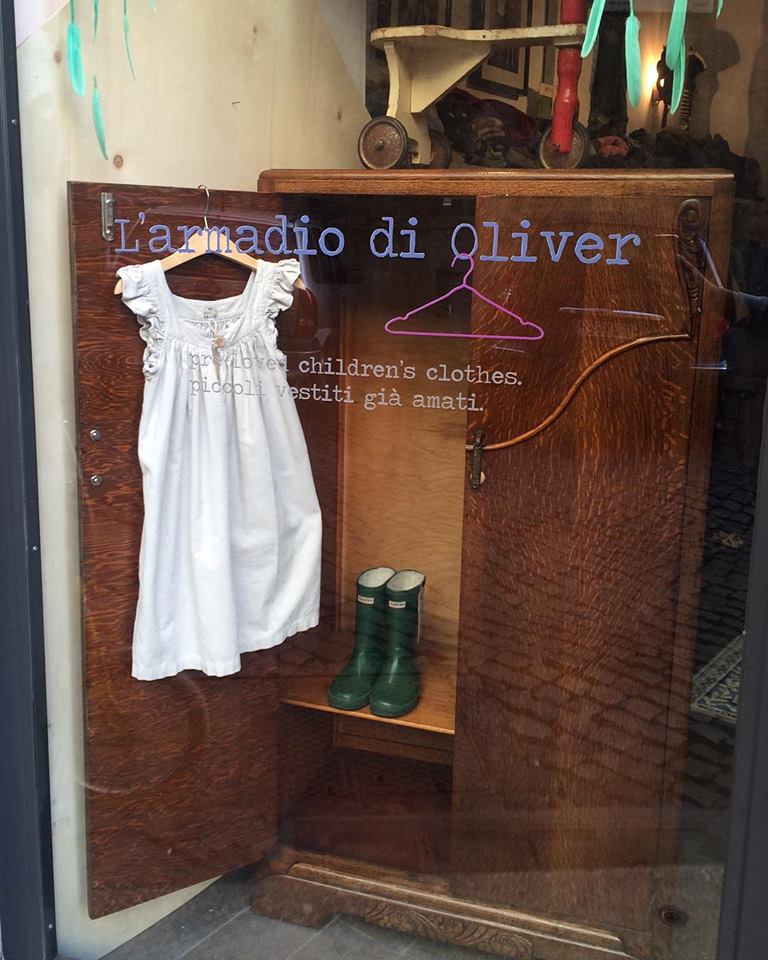
Al centro di Roma, nel rione Monti, c’è un negozio di vestiti e mobili per bambini che sono già stati posseduti e amati, è L’armadio di Oliver.

Claudia Brandt, nata a Copenhagen, ha aperto questa attività a Roma, dove vive da molti anni, basandosi sulla sua filosofia di vita sostenibile, ovvero sull’idea che spesso i vestiti per bambini vengono usati poco e messi da parte ancora prima. La maggior parte dei  capi in vendita sono di marchi francesi e danesi.

Il negozio è stato inserito nella City Guide Louis Vuitton di Roma.

5

image

image8

Claudia è anche un’ottima fotografa che lavora con i bambini e le famiglie.

DSC_1061 copy 2.jpg


11951877_477437255751736_8223454531254396591_n

1. Sei nata a Copenhagen e cresciuta negli Stati Uniti. Come sei finita a Roma?

   Mi sono innamorata di Roma, quando avevo 19 anni e lavoravo qui come baby-sitter.    

   Poi, durante i miei studi universitari sono tornata a studiare per un semestre, ma 

   ho deciso di rimanere e da allora sono passati 16 anni

2. Qual è la tua parola italiana preferita? Pianoforte.

3. Cos’è L’armadio di Oliver? L’Armadio di Oliver è un negozio di vestiti già

     amati per bambini e di mobili vintage per i piccoli.

11698555_868487416521277_7629436419445504339_n
Images via http://www.armadiodioliver.com


4. Questo blog si chiama Anatomie des mots: l’anatomia delle parole è una grammatica

segreta, la loro intima connessione con le cose che ci circondano. Potresti fare

l’anatomia delle parole “cose già amate”? La parola ‘Preloved’ per me è il collegamento

   tra il passato e il presente e anche l’idea romantica che qualcosa venga amato di

   nuovo (dopo essere già stato amato). Infatti su ogni capo di abbigliamento è riportato

   il nome di chi lo ha posseduto prima …

5. Sei una negoziante e mamma di Oliver. Come concili lavoro e famiglia? Pianificando

giorno per giorno e con un piccolo aiuto

10623478_347319382096858_699378175124227869_o

6. Cosa collezioni? Oggetti vintage e antiquariato. Ho molte cose di mia nonna   

    ma vado spesso al mercato dove cerco sempre cose per bambini da mettere in  

    negozio, e diversi oggetti come bicchieri, specchi, ceramiche e cose insolite e divertenti

    per casa mia.

7. 5 pezzi vintage nel tuo armadio

    In realtà non indosso abiti vintage, ma ho delle scarpe e un paio di borse. E ho    

    un bell’armadio antico per i vestiti di Oliver proveniente da un college inglese per

    ragazzi.

8. Il tuo sogno di felicità

    Fare tutto ciò che rende me (e Oliver) felici, creare cose belle, una bella atmosfera

    buoni sentimenti attorno a me. E l’amore.

9. Di quali abitudini passate e forse perse senti di più la nostalgia?

    Di molte delle tradizioni della nonna, e cerco di mantenerne in vita alcune. Come le

    lettere scritte a mano e la magia della vera fotografia analogica.

10. 5 cose da fare a Roma

    Camminare, osservare, noleggiare una bicicletta, mangiare e bere, andare a vedere il  

    Museo Borghese, visitare Monti (il quartiere).

12507438_947140721989279_2614081594732265352_n

1.You were born in Copenhagen and raised in the United States. How did you end up in

   Rome ? I first fell in love with Rome when I was 19 working here as a babysitter. I later

   came to study for a semester during my university studies, but decided to stay and now  16 years

   have passed…

2. What is your favorite Italian word? Pianoforte.

3. What is L’Armadio di Oliver? L’Armadio di Oliver is a pre-loved children clothing

     and vintage children’s furniture  store in Monti.

 4. This blog is called Anatomie des mots: the anatomy of words is a secret grammar,
      their intimate connection with things around us. Could you anatomize the word
      ‘Preloved’?
      The word ‘preloved’ for me is the connection between the past and the present and
      also the romantic idea of something being loved again ( after having been loved
      already). In fact on each piace of clothing it says who has loved it before…
  5. You are a shopkeeper and mom to Oliver. How do you balance work and family
       life? Day by day planning and with a little help…
 
  6. What do you collect? Vintage items and antiques. I have many things from my
       grandmother but I go to the market often where I always look for children’s things
       for the shop, glasses, mirrors, ceramics and unusual fun things for my house.
   7. Tell us about 5 vintage pieces in your closet.
        I don’t really wear vintage clothes but I have some shoes and a couple of bags. And I
        have a beautiful antique closet for  Oliver’s clothes from an English boys college.
 
   8. What is your dream of happiness? Doing whatever makes me (and Oliver) happy,
        creating beautiful things, atmosphere and feelings around me. And love.
 
   9. What past or maybe lost habits do you feel most nostalgic about? Many of
       grandmother’s traditions, some I try to keep alive. Also handwritten letters.
 
   10. Tell us 5 things to do in Rome
         Walk, observe, rent a bike, eat + drink, see the Borghese museum, visit Monti (the 
         neighborhood).


Anatomy of “Five Quarters: Recipes and Notes from a Kitchen in Rome”


IMG_3640

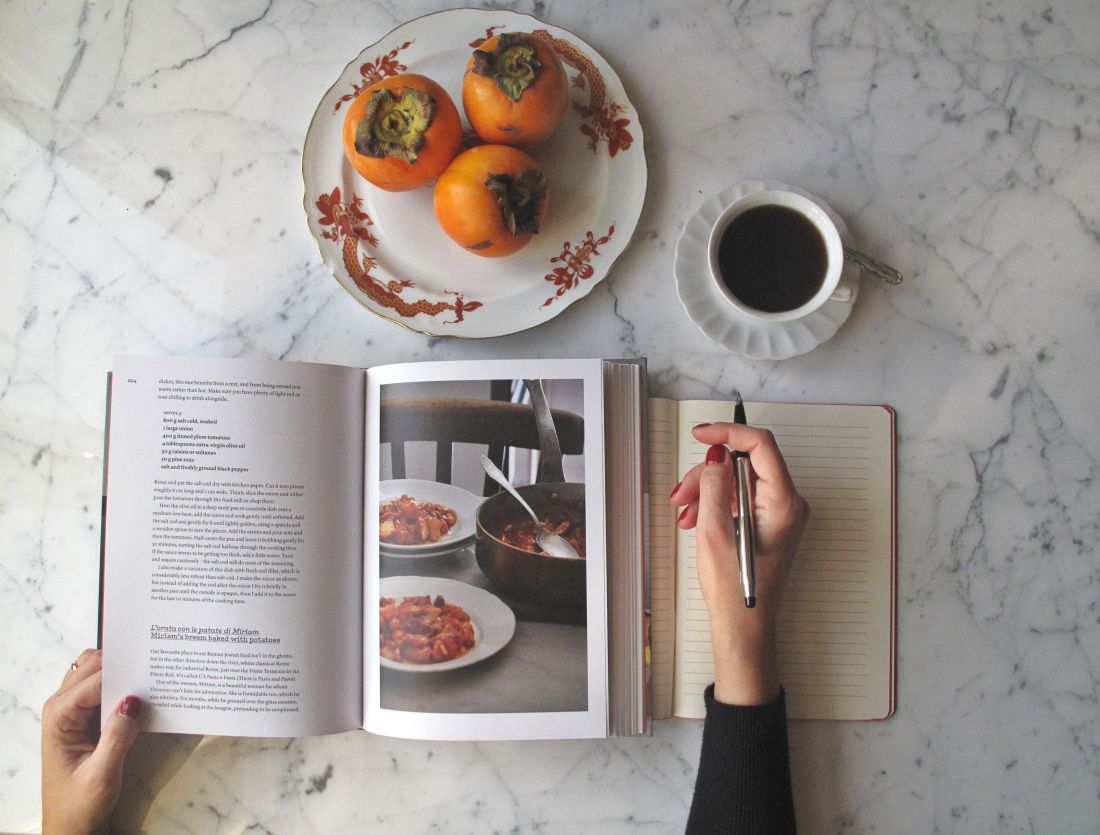
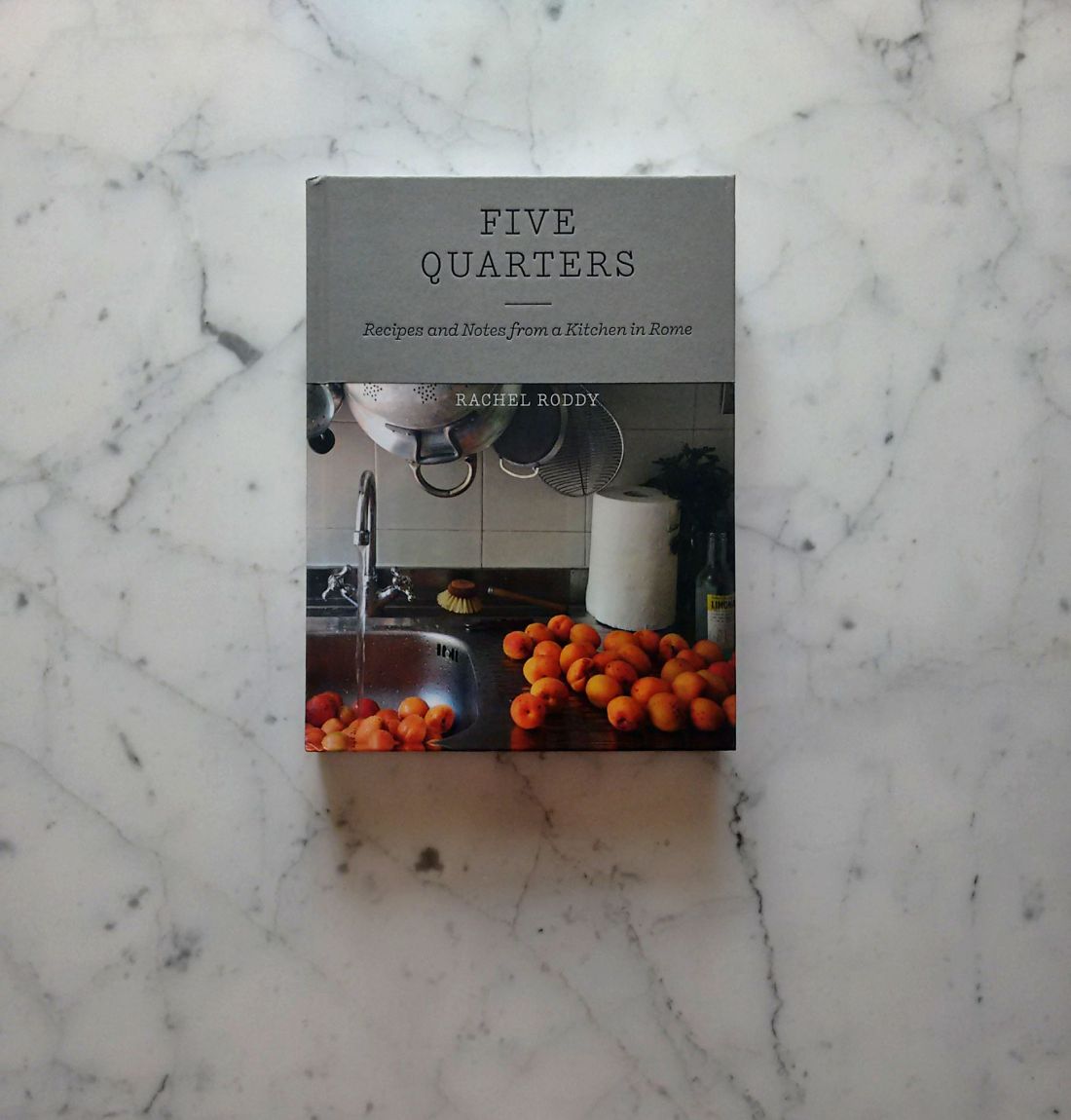
Rachel Roddy è inglese ma vive a Roma, scrive un blog di cucina che si chiama racheleats.wordpress.com, ha una rubrica Kitchen Sink Tales su The Guardian, e lo scorso maggio ha pubblicato il suo primo libro di cucina “Five Quarters: Recipes and Notes from a Kitchen in Rome”.

La sua scrittura è un’ode all’italianità, a Roma, al cibo della tradizione e all’essenza della semplicità. Le sue foto corrispondono perfettamente a ciò che racconta, e gli scatti del suo lavandino evocano gli interni dei film del Neorealismo italiano.

Il suo libro è una bellissima storia d’amore che nasce dal colpo di fulmine con Testaccio.

È cosa nota che gran parte delle storie d’amore iniziano per puro caso, ed è quello che è successo tra me e il blog di Rachel e poi del suo libro, e tra Rachel e Roma.

Dopo aver letto questo libro sentirete l’impulso irrefrenabile a visitare Roma e soprattutto il mercato di Testaccio.

Nel frattempo potrete soddisfare la vostra curiosità godendovi quest’intervista a Rachel.

1. “Five Quarters: Recipes and Notes from a Kitchen in Rome” is your first book. What was the biggest challenge in writing a cookbook?

Establishing a writing and recipe testing I think, especially as my little boy was only little, and I was still very much in of the throws of new motherhood. Eventually I found a routine of sorts, which involved early mornings and three precious hours each afternoon when a babysitter came and I would disconnect from the Internet and just write.

2. You wrote that without your blog and your readers, your book would never have been published. What has blogging taught you?
It was writing blog posts with a certain structure – a story to start which linked into a recipe that I really began to write, and write. Which is of course the only way to get better. The fellowship and feedback from fellow bloggers and readers has been a constant source of encouragement.

IMG_20150914_104824

3. What do you like to cook for yourself?
When alone, I often don’t cook, a glass of wine and chunk of cheese is supper. That, or pasta, with butter and anchovies or an omelet, maybe a salad.

4. What food reminds you of your childhood?
Simple things my mum cooked when we were growing up, chicken soup, cauliflower cheese, these odd, set lemon yogurts I used to love when I was about 8, the crispy edge of the rice pudding.

5. Your partner comes from Sicily and you have always felt attracted by this island. What fascinates you most about Sicily?
I am not quite sure to tell the truth, I just want to explore it more, the beautiful, at times savage landscape, understand a little more about the food and culture. We have partly inherited a house there now, and spent the summer exploring, which was at times hard, but wonderful. Ask me again in a couple of years.

6. What is your favorite Italian word?
Mannaggia – not sure how to translate this, a sort of mild damn/drat/oh my, I say it all the time and it makes me smile.

7. This blog is called Anatomie des mots: the anatomy of words is a secret grammar, their intimate connection with things around us. Could you anatomize the word “Testaccio”?
Well Testaccio gets its name from Monte dei cocci, an ancient hill of broken terracotta amphora (cocci) that once contained Olive oil that rises up in he heart of the quarter. It is now covered in centuries of grass and shrubs, and my favourite trattoria is burrowed into the heart of it. I can see the top of the monte from my flat, a 2000 year old hill rising up nonchalantly in the middle of my adopted quarter, and everyday reminder of the history of this part of the city. Testaccio may be in the middle of Rome, but it feels like a village, with lots of local shops and a fierce sense of community, that I am now part of. I love this. I am not sure I have answered your question properly, but this is testaccio’s significance for me.

8. You are a food writer, a blogger and a teacher and you live in Rome with your partner, Vincenzo and your little child, Luca. How do you balance work and family life?
It is a big muddle, but for now a nice one, imperfect but good.

9. What past or maybe lost habits do you feel most nostalgic about?
I wish I went to the theatre as I once did. I was an actress in another life and I miss it.

10. What is your dream of happiness?
I will settle for content, with people and work I love.

11. Tell us 3 things to do in Rome
Climb monte testaccio, go and look at the Caravaggio paintings in Basilica of Santa Maria del Popolo, go for dinner at Osteria dell’Arco.

dsc_2750

1. “Five Quarters: Recipes and Notes from a Kitchen in Rome” è il tuo primo libro. Qual è stata la sfida più grande nello scrivere un libro di cucina?
E’ stata quella di definire uno stile di scrittura e al tempo stesso di testare le ricette, tanto più che mio figlio era ancora piccolo e io ero ancora alle prese con la nuova maternità. Alla fine ho trovato una sorta di routine, che contemplava risvegli all’alba e tre ore preziose il pomeriggio quando arrivava la babysitter, mi disconnettevo da internet e scrivevo solamente.

2. Hai scritto che senza il tuo blog e i tuoi lettori, il tuo libro non sarebbe mai stato pubblicato. Che cosa ti ha insegnato tenere un blog?
È stato grazie al fatto di scrivere i post per il blog con una certa struttura, una storia da cui iniziare che collegava una ricetta, che ho davvero cominciato a scrivere, e a scrivere. Ed è senz’altro l’unico modo per migliorare. Il supporto e il feedback da parte di altri blogger e dei lettori è stata una fonte costante di incoraggiamento.

3. Cosa ti piace cucinare per te?
Quando sono da sola, spesso non cucino, faccio cena con un bicchiere di vino e un pezzo di formaggio. Quello, oppure pasta con burro e acciughe oppure una frittata, magari un’insalata.

4. Quale cibo ti ricorda la tua infanzia?
Le cose semplici che mia mamma ci cucinava mentre diventavamo grandi, la zuppa di pollo, i cavolfiori gratinati, quegli strani yogurt al limone che mi piacevano quando avevo 8 anni, la crosta croccante del budino di riso.

5. Il tuo compagno è siciliano e tu sei sempre stata attratta da quest’isola. Che cosa ti affascina di più della Sicilia?
Non sono del tutto certa di dire la verità, voglio solo esplorala di più, il suo bel paesaggio, a volte selvaggio, e capire un po’ di più del cibo e della cultura. Ora abbiamo in parte ereditato una casa lì, e ho trascorso l’estate esplorando, cosa che a volte è stata difficile, ma meravigliosa. Chiedimelo di nuovo tra un paio di anni.

6. Qual è la parola italiana che preferisci?
Mannaggia, non sono sicura di come tradurla in inglese. È una parola che dico sempre e mi fa tanto ridere.

7. Questo blog si chiama Anatomie des mots: l’anatomia delle parole è una grammatica segreta, la loro intima connessione con le cose che ci circondano. Potresti fare l’anatomia/ anatomizzare la parola “Testaccio”?
Beh, Testaccio prende il suo nome dal Monte dei cocci, un’antica collina di anfore in terracotta rotte (cocci), che una volta contenevano olio di oliva e che si erge nel cuore del quartiere. Adesso il monte è coperto da secoli di erba e arbusti, e la mia trattoria preferita è scavata al suo interno. Riesco a vedere la cima del monte da mio appartamento, un antico mulino di 2000 anni che sorge con nonchalance nel bel mezzo del mio quartiere d’adozione, e un promemoria quotidiano della storia di questa parte della città. Anche se Testaccio si trova al centro di Roma, ci si sente come in un paesino, con tanti negozi locali e un forte senso di comunità, di cui adesso anche io faccio parte. È una cosa che amo. Non sono se ho risposto correttamente alla tua domanda, ma questo è il significato di Testaccio per me.

8. Sei una food writer, una blogger e un’insegnante e vivi a Roma con il tuo compagno, Vincenzo e il vostro bimbo, Luca. Come concili lavoro e famiglia?

E’ un gran caos, ma per ora è un bel caos, imperfetto ma bello.

9. Di quali abitudini passate e forse perse senti di più la nostalgia?
Vorrei poter andare a teatro come facevo un tempo. Ero un’attrice in un’altra vita e mi manca.

10.Qual è il tuo sogno di felicità?

Mi accontenterei delle persone e del lavoro che amo.

11. 3 cose da fare a Roma
Salite in cima al monte Testaccio e andate a vedere i dipinti di Caravaggio alla Basilica di Santa Maria del Popolo, poi andate a cena all’Osteria dell’Arco.


Anatomie de la semaine

IMG_20151019_163448

Sono tempi laboriosi per le formiche come me. Si raccoglie, si cucina, e si conserva. Quest’anno a rendere il tutto più interessante ci si sono messi i malanni stagionali che mio figlio ha portato a casa da scuola. Il suo ingresso nel mondo scolastico, prededuto da mesi di aspettative idealistiche e fantasiose, è stato invece segnato da continui inciampi in virus, tossi e raffreddori che lo hanno reso simile ad un freddo meccanismo che risponde ad una logica darwiniana.

E così, anche le cose che ho scovato e che mi sono piaciute questa settimana sono legate a queste vicende influenzali e alla momentanea perdita di interesse verso il cibo da parte di Titti.

These are hard working times for ants like me. I collect, cook and preserve. And the seasonal illnesses that my son brought home from school made the whole process more interesting this year.His entry into kindergarten, preceded by months of idealistic and imaginative expectations, was instead characterized by viral infections, coughs and colds that made it similar to a cold mechanism that responds to a Darwinian logic.

And so, the things that I found and loved this week are related to these events and to his momentary loss of interest in food.

1.L’articolo di Simona Ravizza in cui racconta come ha convinto la figlia a manguare i broccoli.

2. Questo video in cui Marco Bianchi svela alcuni trucchi per farm mangiare più frutta ai bimbi.

3. Questo post di Sigrid Verbert che suggerisce 10 merende da fare in casa per i piccoli.

Anatomie de la semaine

Questo è un breve elenco delle cose che ho trovato e che mi sono piaciute questa settimana.

1.Una versione romanzata di Parigi in questo breve film su Vimeo chiamato Paris through Pentax“.

A short list of things I found and loved this week.

1.A romanticized version of Paris in this short film on Vimeo called “Paris through Pentax“.

2.Questa deliziosa statement clutch di Nice Things in vendita su Happiness Boutique. La borsetta è stata realizzata imitando lo stile di un vecchio libro.

2.This adorable statement clutch by Nice Things from Happiness Boutique. The clutch was crafted imitating the look of a vintage book.antique-market-clutch-by-nice-things

3.Questo grazioso orologio Casio con un gatto sul quadrante, in vendita su The Whitepepper.

3.This cute Casio watch with cat motif from The Whitepepper.

Image via: http://thewhitepepper.tumblr.com/

Vi auguro un buon weekend autunnale!

Have a nice fall weekend!

Anatomie de la semaine

Un breve elenco delle cose che ho trovato e che mi sono piaciute questa settimana.

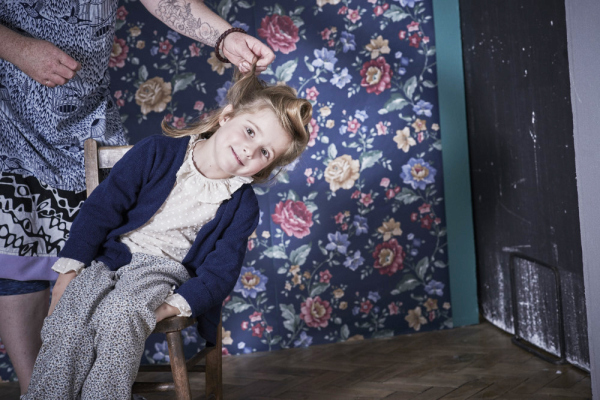
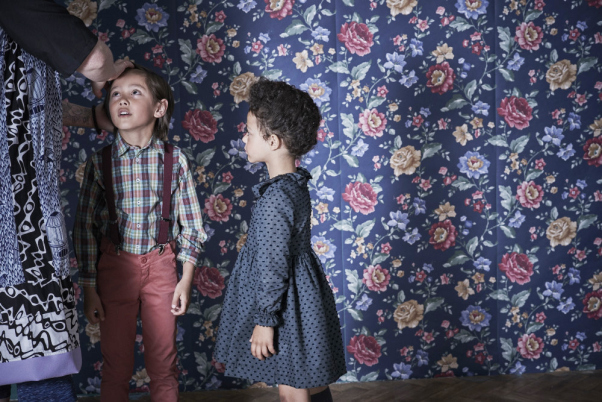
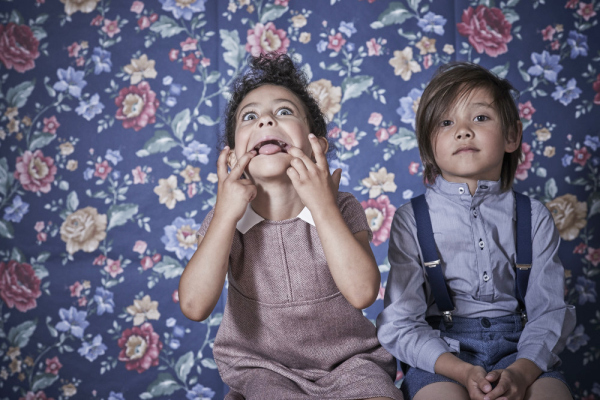
1.Questi fantastici scatti del dietro le quinte del lookbook autunno-inverno 2015 de La Coqueta. La Coqueta è una boutique indipendente di abbigliamento per neonati e bambini con sede a Londra. I loro capi sono classici con un tocco moderno e sono tutti realizzati in Spagna.

Image via www.lacoquetakids.wordpress.com
Image via http://www.lacoquetakids.wordpress.com

A short list of things I found and loved this week.

1.These awesome behind the scenes shots from La Coqueta’s autumn/winter 2015 lookbook. La Coqueta is an independent children and baby clothing boutique based in London. Their clothes are classic with a modern twist and they are made in Spain.

Image via www.lacoquetakids.wordpress.com
Image via http://www.lacoquetakids.wordpress.com
Image via www.lacoquetakids.wordpress.com
Image via http://www.lacoquetakids.wordpress.com
Image via www.lacoquetakids.wordpress.com
Image via http://www.lacoquetakids.wordpress.com

2. Per chi non ha programmi per il fine settimana, domenica 27 settembre è la giornata delle Fattorie Didattiche aperte in Lombardia. Le famiglie avranno la possibilità di visitare le aziende agricole locali e di conoscere meglio l’attività agricola. Le attività comprenderanno la mungitura, le coccole agli animali, splendidi scenari, la degustazione di prodotti e il pranzo in cascina.

Vi auguro un buon weekend di fine settembre!

2. For those who have no plans for the weekend, you can experience Open Farm Day Sunday 27th September in Lombardy, Italy. Families will be given the opportunity to visit local farms and learn more about the business of agriculture. Activities include milking, petting animals, beautiful scenery, samples for tasting and lunch at the farm.

Have a nice late September weekend!

Paola Negro per Fattorie Didattiche Image via www.iodonna.it
Paola Negro per Fattorie Didattiche
Image via http://www.iodonna.it

Anatomie de la semaine

Image via AnOther Magazine
Courtesy of Belmond Grand Hotel Timeo. Image vIa
Courtesy of Belmond Grand Hotel Timeo.
Image via AnOther Magazine.

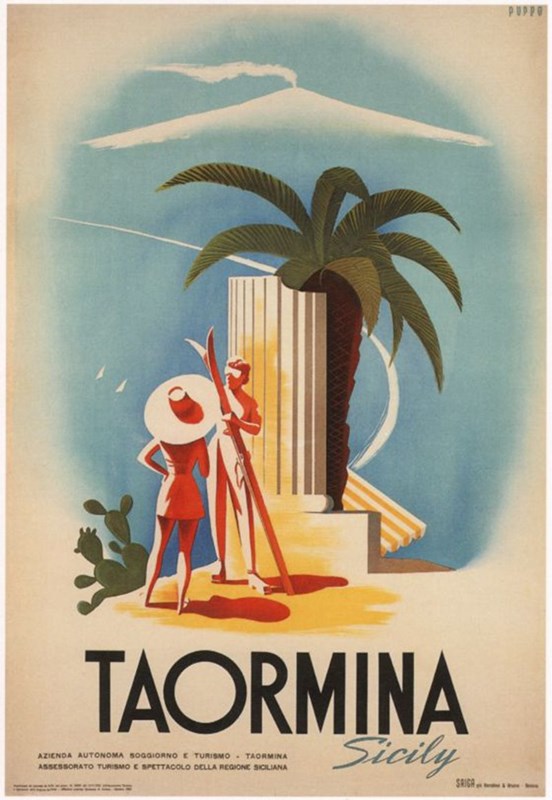
1.  The sublime Sicilian residences that charmed Pablo Picasso, Greta Garbo and Truman Capote.

Le superbe residenze siciliane che hanno incantato Pablo Picasso, Greta Garbo e Truman Capote.

PHOTOGRAPH BY POPPERFOTO/GETTY. Image via The New Yorker.
PHOTOGRAPH BY POPPERFOTO/GETTY.
Image via The New Yorker

2. Agatha Christie and the Golden Age of Poisons. In many ways, the poison was the personality in Agatha Christie’s stories—the element of surprise amid an otherwise reassuring collection of country-house clichés.

Agatha Christie e l’età dell’oro dei veleni. Per molti versi, il veleno costituiva la personalità delle storie di Agatha Christie, l’elemento di sorpresa in mezzo a quella che altrimenti sarebbe una serie rassicurante di cliché legati alla vita di campagna.

2. Agatha Christie, la regina del mistero. Va in scena l’Agatha Christie Festival, l’appuntamento annuale nella contea del Devon per celebrare la giallista più amata di tutti i tempi.

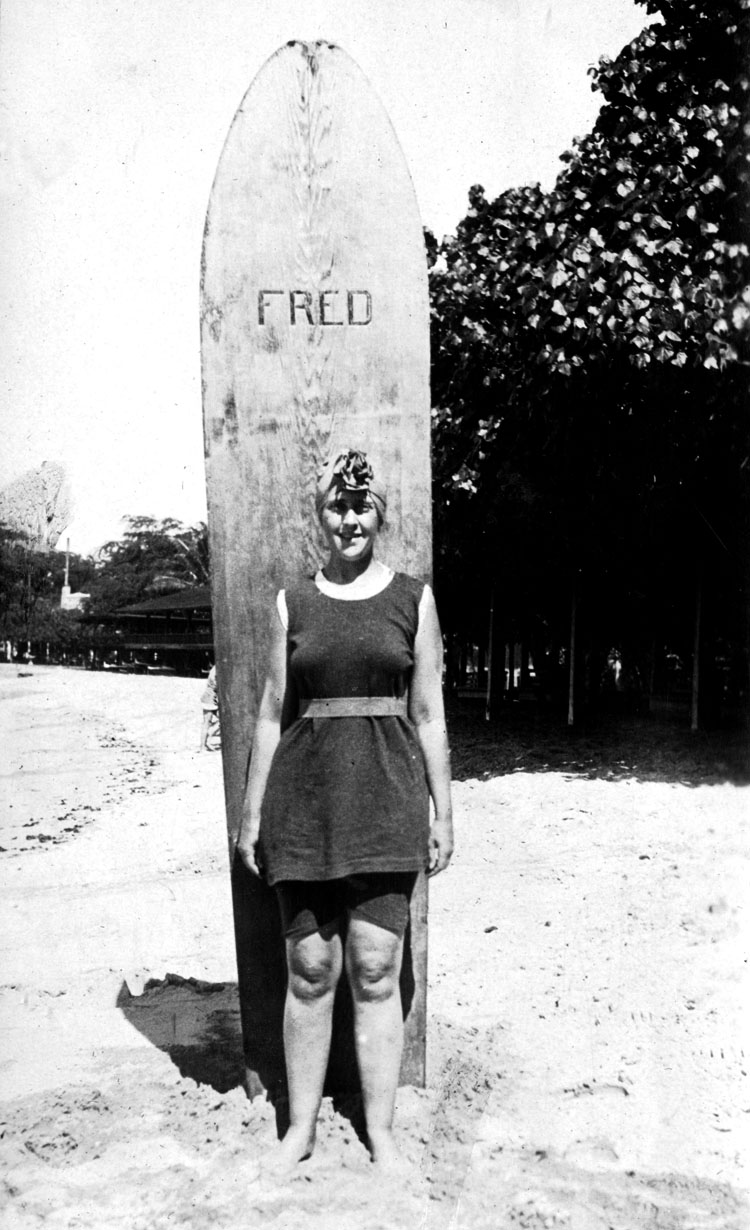
Agatha Christie learned to surf in 1924, when riding waves was the privilege of only a few. / Agatha Christie imparò a fare surf nel 1924, quando cavalcare le onde era un privilegio di pochi. Image via www.surfertoday.com
Agatha Christie learned to surf in 1924, when riding waves was the privilege of only a few. / Agatha Christie imparò a fare surf nel 1924, quando cavalcare le onde era un privilegio di pochi.
Image via http://www.surfertoday.com

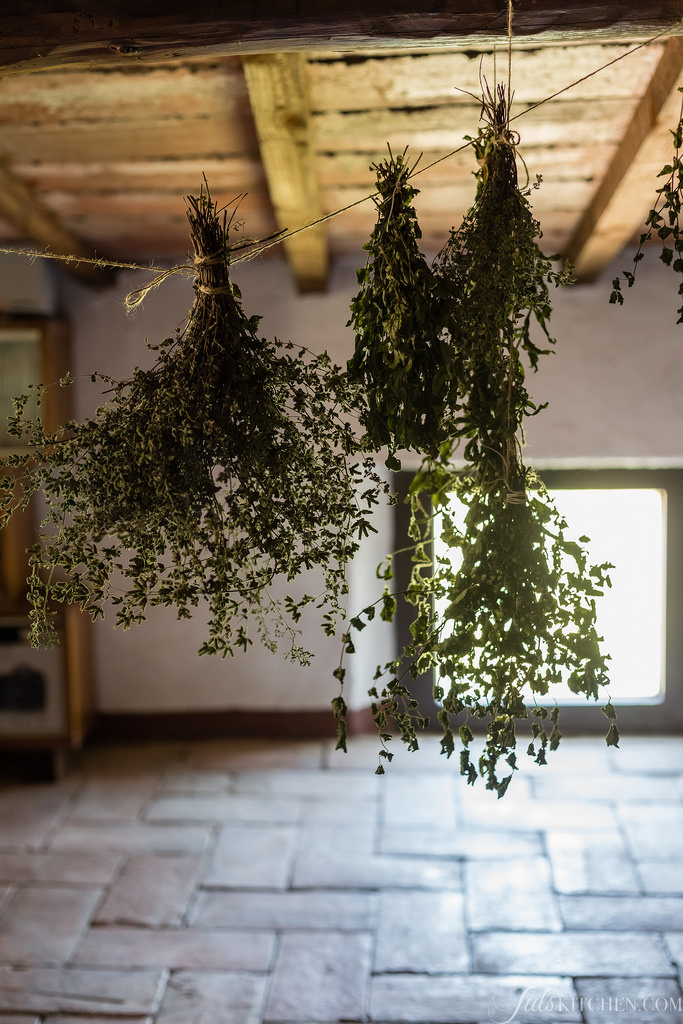
3. Cinque modi per conservare l’estate. Conserverò l’estate 2015 nel mio cuore per sempre, così come conserverò le erbe aromatiche per poterne poi apprezzare il profumo e il calore estivo quando arriverà l’inverno….

3.5 Ways to preserve summer herbs.I will keep the summer of 2015 in my heart forever, and I will preserve fresh herbs for the upcoming cold season.

Image via Jul's Kitchen
Image via Jul’s Kitchen
Image via Jul's Kitchen
Image via Jul’s Kitchen

Anatomie du Ladencafé Marais

5 motivi per cui dovreste assolutamente visitare il Café Marais:

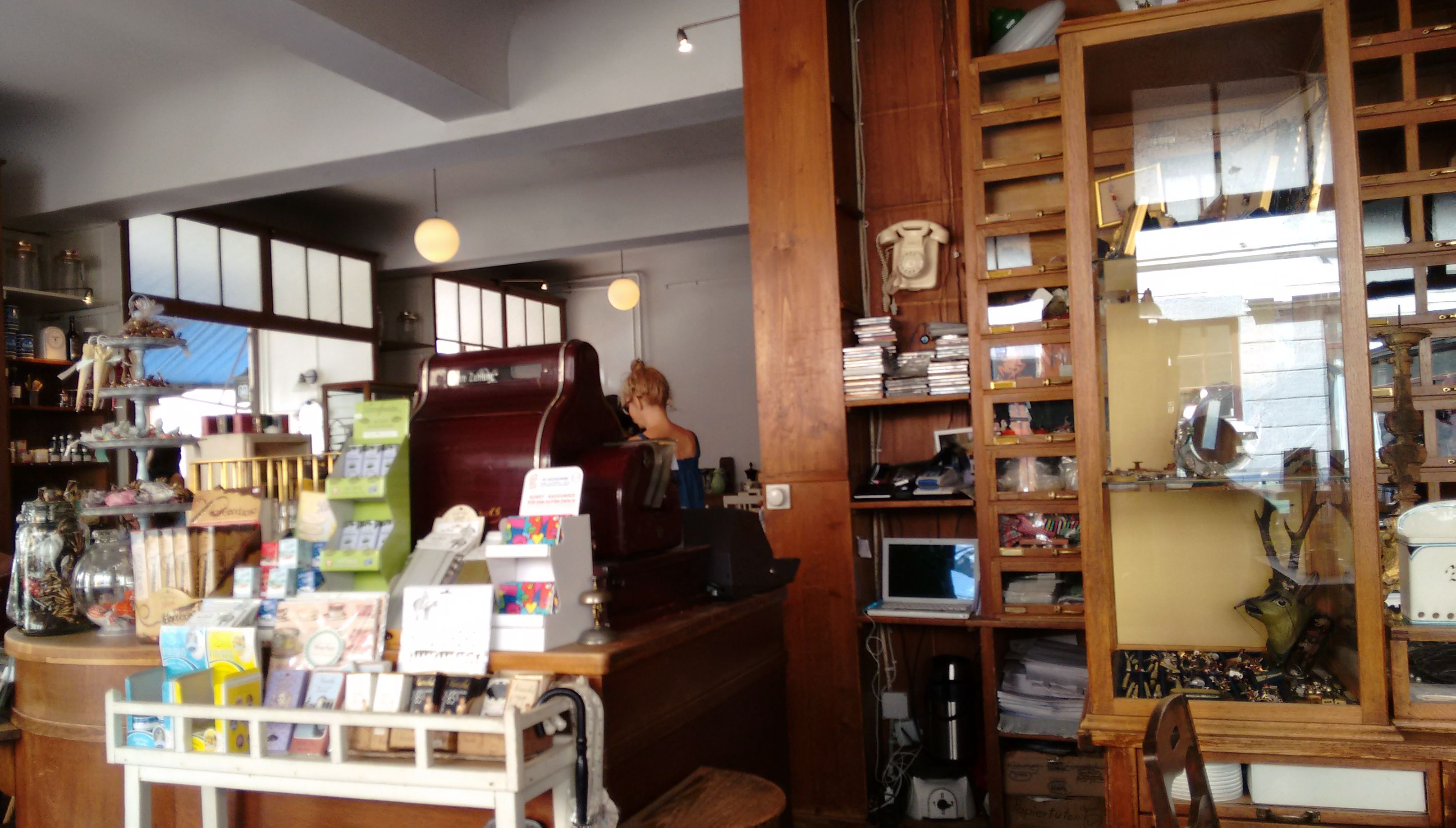
  1. E’ una caffetteria e un robivecchi.Questo significa che si può gustare un caffè di buona qualità insieme ad una deliziosa torta fatta in casa e che tutto ciò che vedete è in vendita.
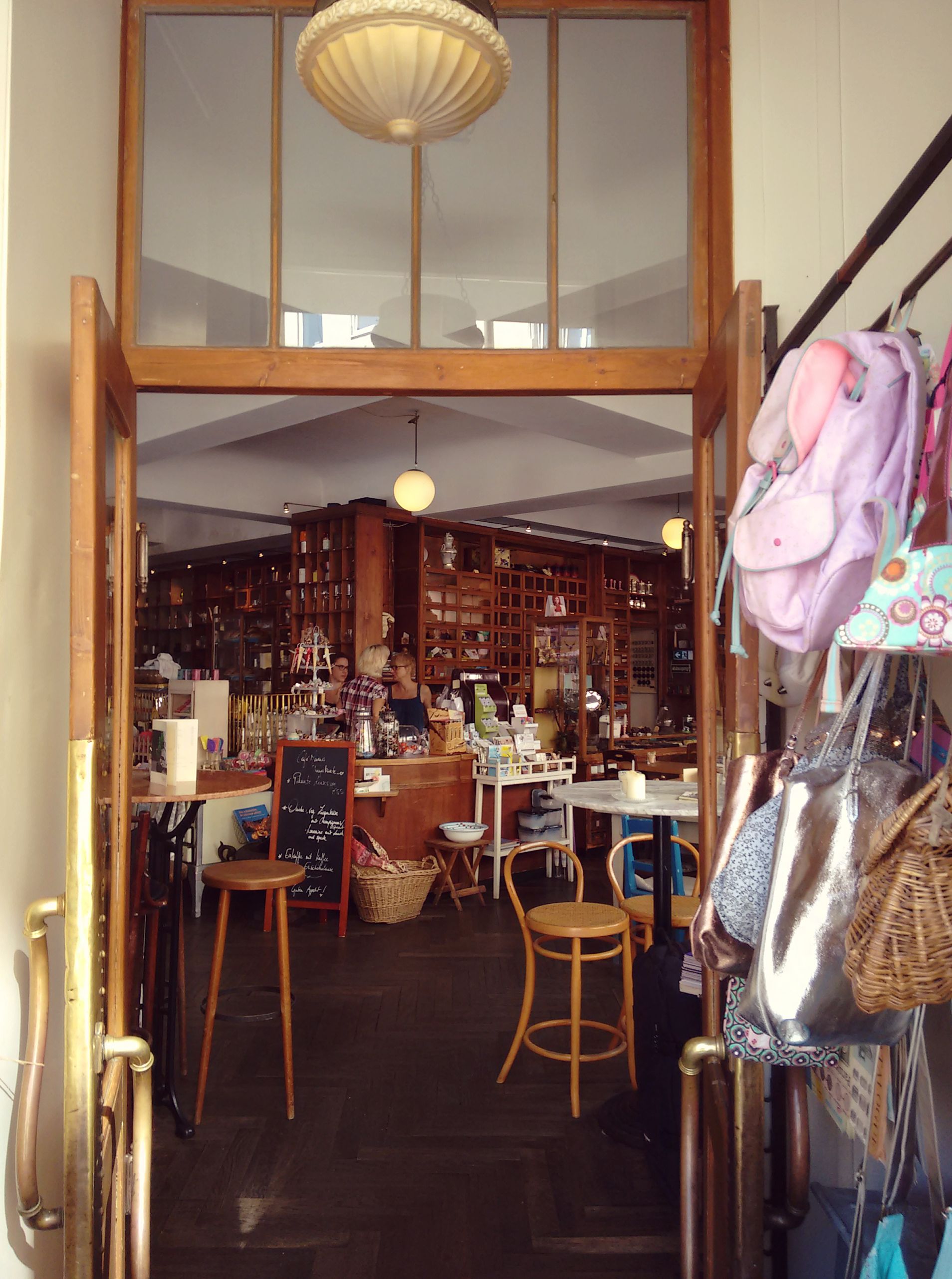
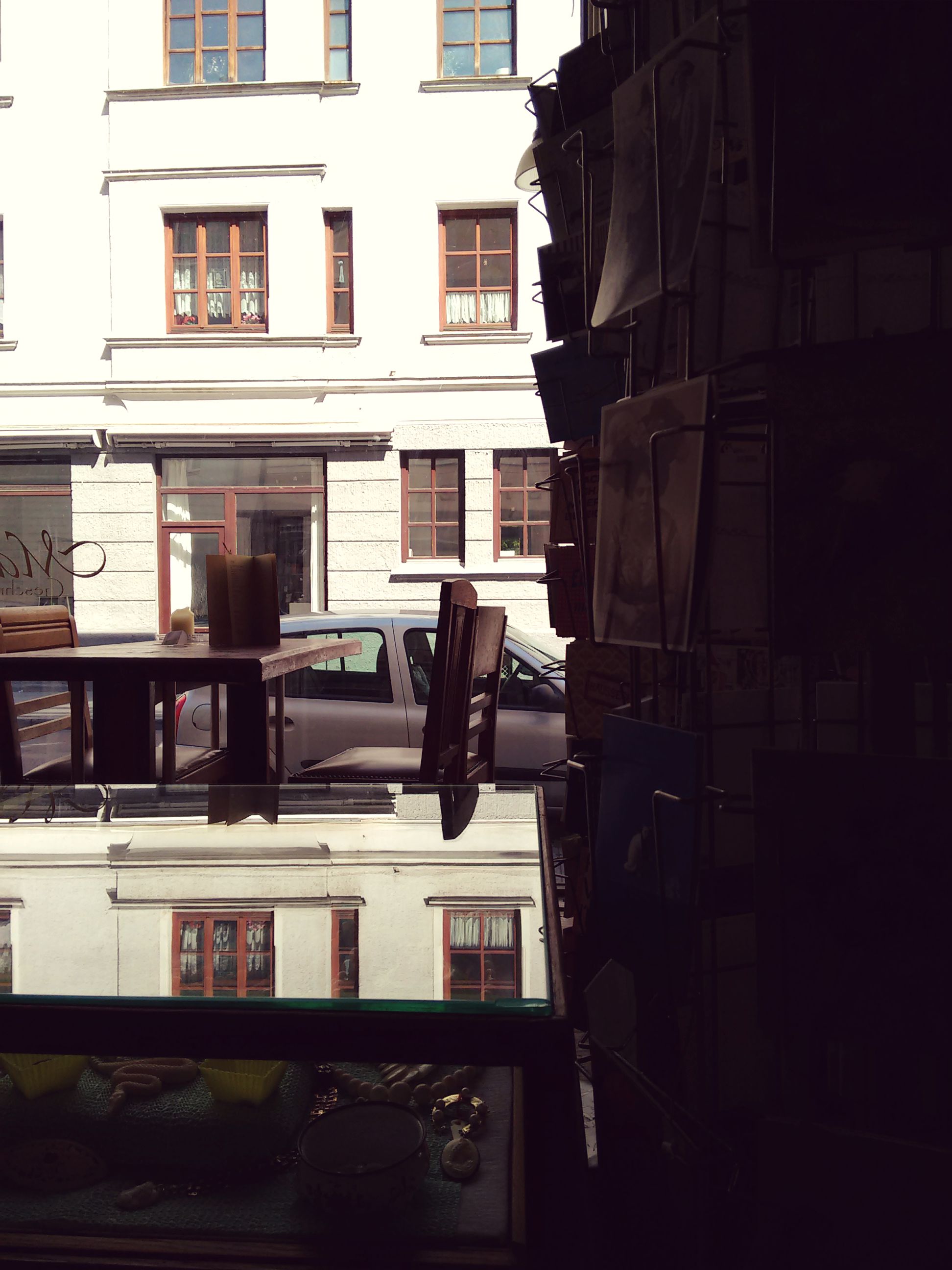
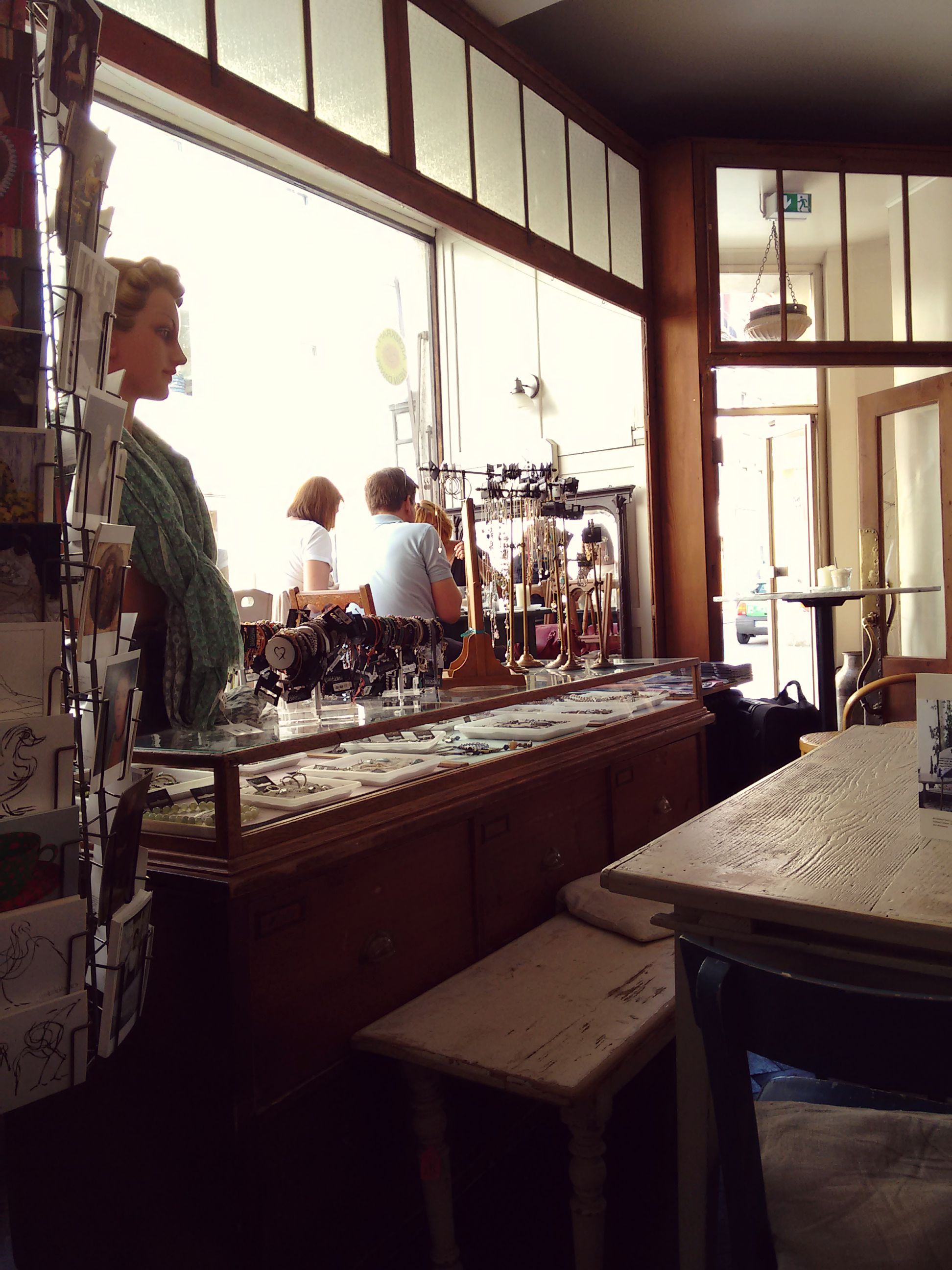
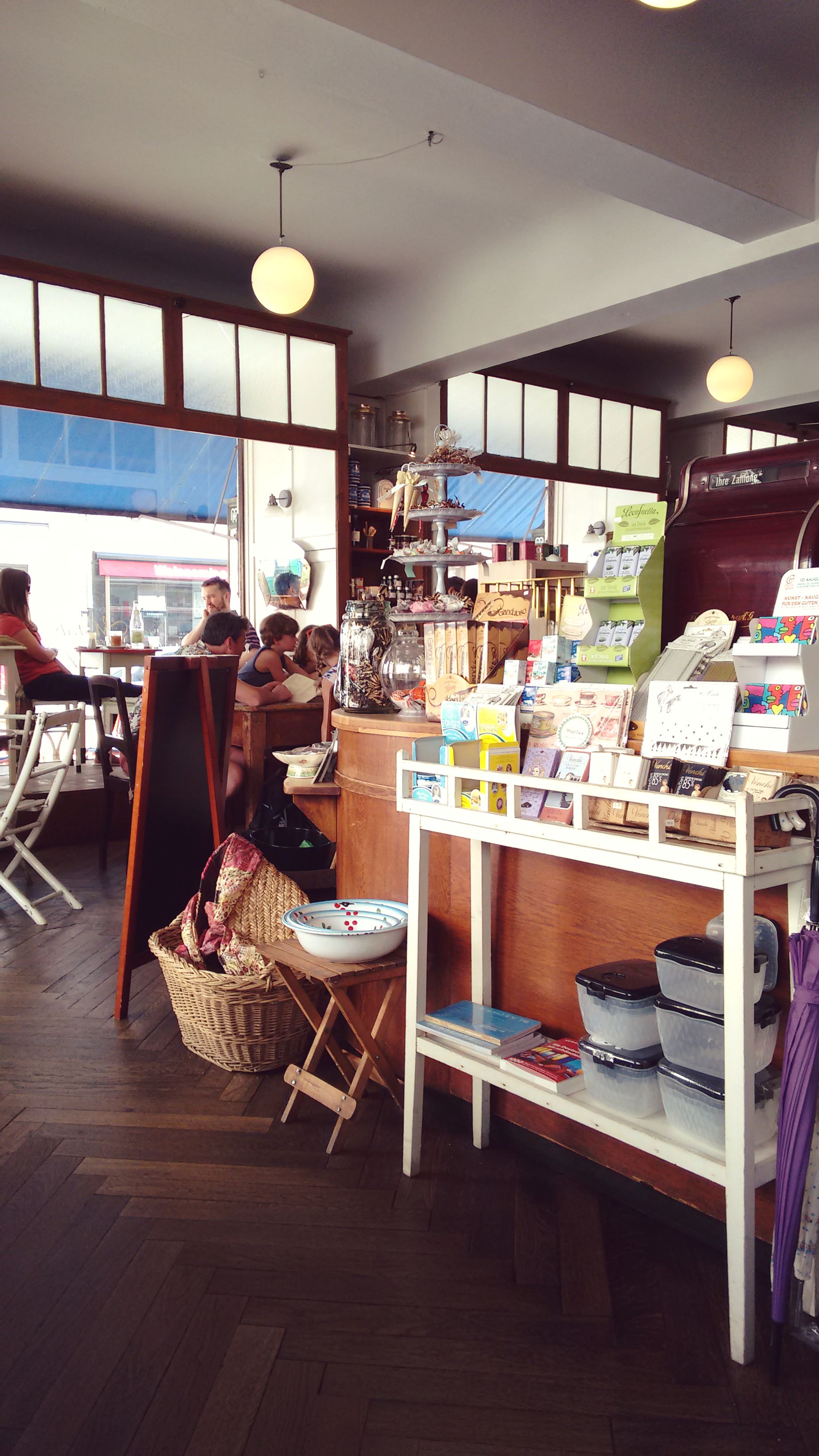
  2. E’ una vecchia merceria degli anni Venti convertita in un café. Il risultato è sorprendente: mensole di legno piene di bottoni, nastri, passamanerie, cappelli, borse in pelle vintage e gioielli, e molti altri oggetti di antiquariato e vintage.
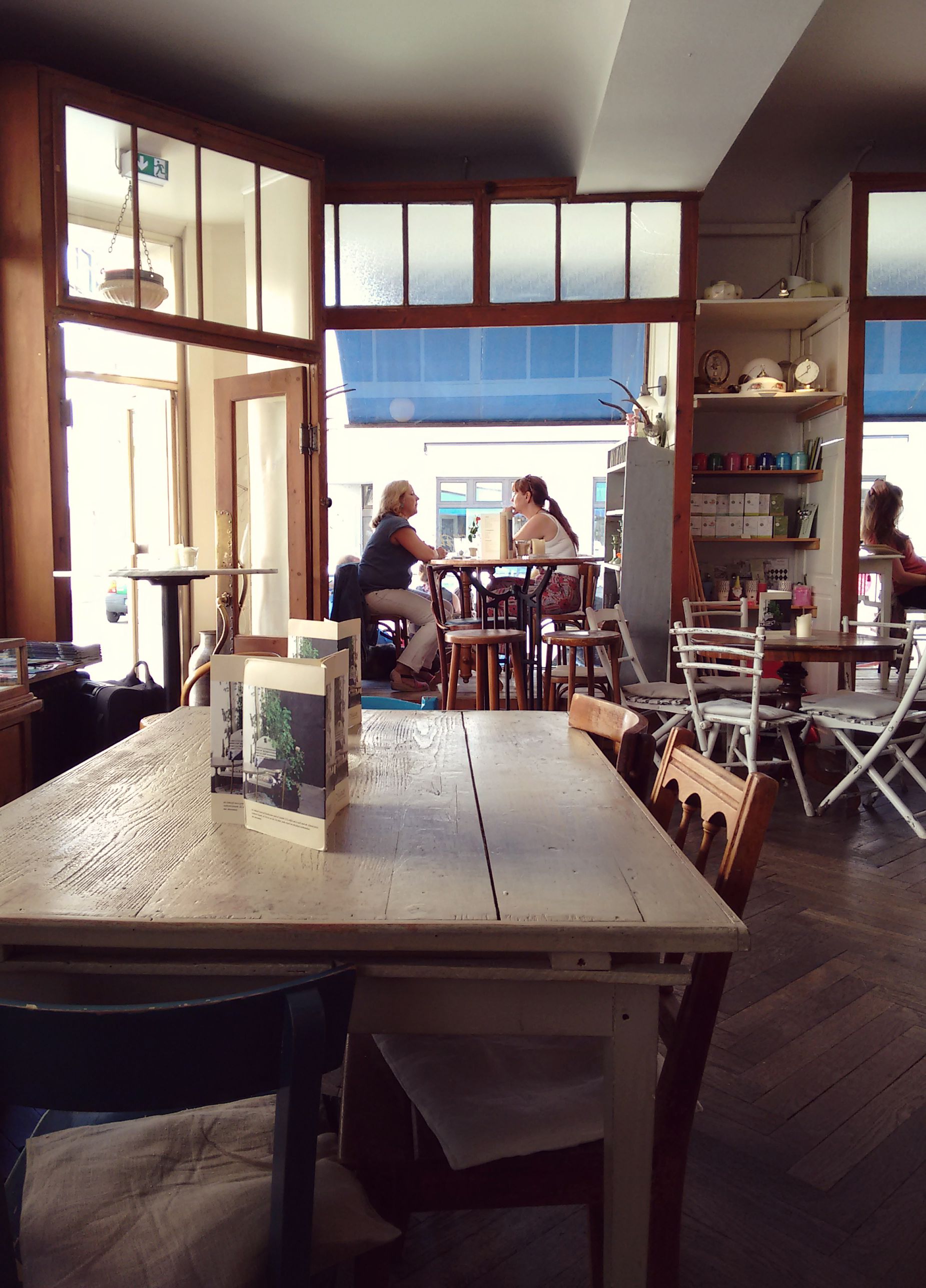
  3. In quelle che erano le vetrine della merceria ci sono tavoli e sedie. Ci si può quindi sedere e gaurdare fuori.
  4. Il Süddeutsche Zeitung ha scritto:Das “Café” Marais in der Parkstraße ist fast zu schön, um wahr zu sein”.” Il “café” Marais è quasi troppo bello per essere vero”.
  5. Chiamato come Le Marais,uno dei quartieri più antichi e alla moda di Parigi, è un piccolo e grazioso angolo di Parigi a Monaco di Baviera.

 5 Reasons why you should definitely go to the Ladencafé Marais:

  1. It is a coffehouse and a junk shop. This means that you can enjoy quality coffe with a delicious homemade cake and that everything you see is for sale.
  2. This is an old haberdashery from the 1920s converted into a café. The result is amazing: wooden shelves full of buttons, ribbons, trimmings, hats, vintage leather bags and jewelry, and many other antique and vintage finds.
  3. In the former display windows there are tables and chairs, so you can sit and look outside.
  4. The Süddeutsche Zeitung wrote about it : “Das “Café” Marais in der Parkstraße ist fast zu schön, um wahr zu sein”.”The Café Marais in Parkstraße is almost too good to be true”.
  5. Named after Le Marais, one of the oldest and most fashionable districts in Paris, it’s a charming little corner of Paris in Munich.

IMG_20150823_121304

IMG_20150823_121209IMG_20150823_114940IMG_20150823_120344IMG_20150823_120505

IMG_20150823_115540044

IMG_20150823_115550002IMG_20150823_113703

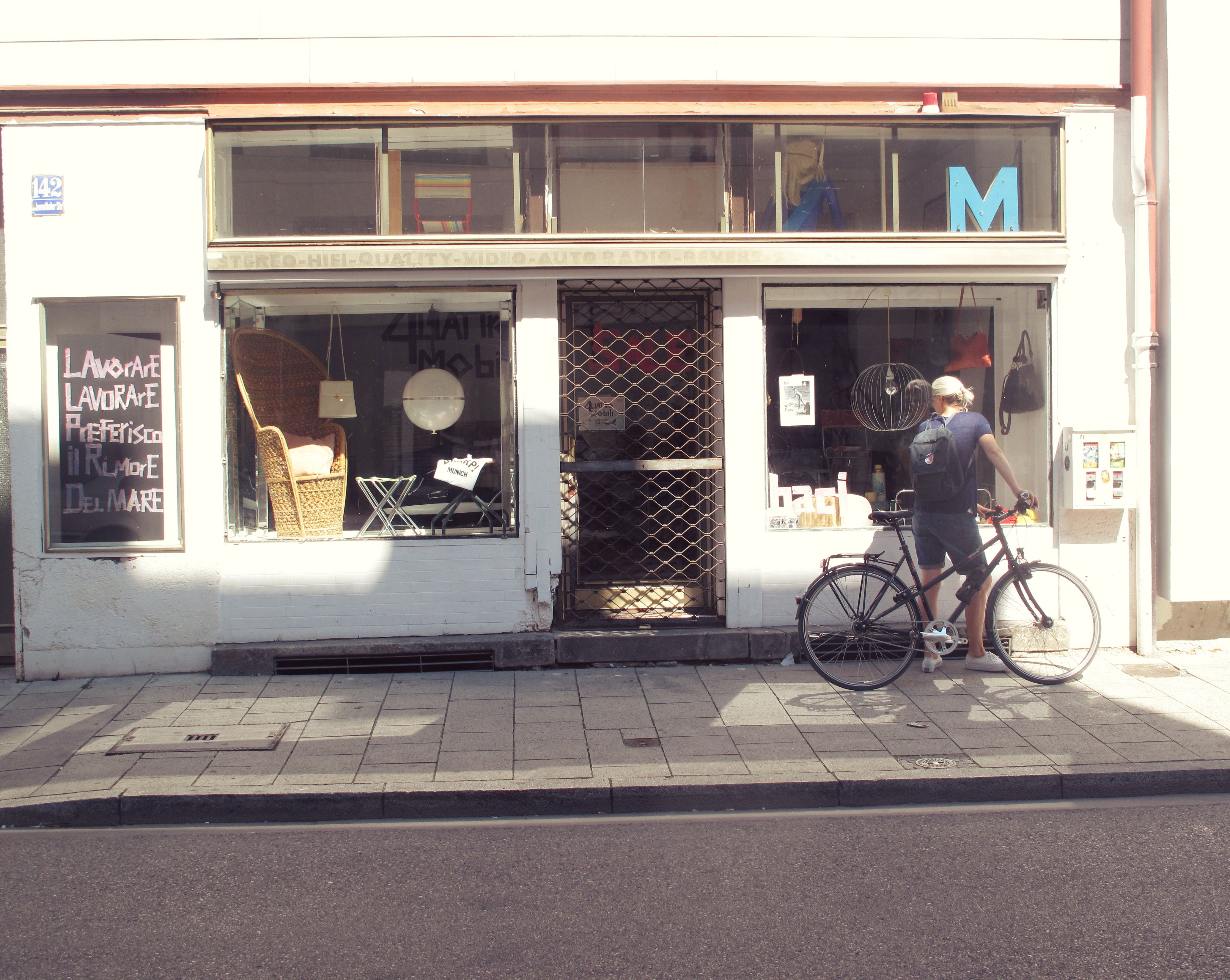
IMG_20150823_115708374IMG_3393Lungo la strada per il Marais, abbiamo trovato questo fantastico negozio vintage chiamato “4uattro Mobili. Vende mobili vintage italiani degli anni Cinquanta, Sessanta e Settanta.

Along the way to the Marais, we found this amazing vintage shop called “4uattro Mobili“. They sell Italian vintage furniture from the 1950s, 1960s and 1970s.

IMG_3395

IMG_3396IMG_3397IMG_3398

Anatomie de la semaine

Questa seconda settimana di settembre sta finendo. Una settimana intensa ed emozionante, in cui mio figlio ha fatto il suo ingresso nella scuola materna.

Uno dei mesi più attesi e temuti, più amati ed odiati è già qui ed è a metà della sua corsa. Il mese degli inizi e delle fini, dei raccolti, dei mille progetti e del cuore aperto in attesa di cose buone.
Le giornate si accorciano e nell’aria c’è odore di frutti maturi, libri nuovi e zaini.

Io compilo le mie solite infinite liste e faccio bilanci per il mio compleanno.

Come ogni settimana, questa è una breve lista di quello che ho trovato e che più mi è piaciuto nei giorni scorsi:

  • Questo articolo di Frank Bruni per l’International New York Times sulla qualità del tempo, sulla famiglia e soprattutto sull’importanza di essere presenti. Vi consiglio di leggere anche il suo bellissimo pezzo su suo padre.
  • Parlando di famiglia, non posso non menzionare l’ultimo numero di Kinfolk dedicato alla famiglia. All’interno c’è anche un’intervista a Courtney Adamo, cofondatrice di Babyccino Kids,in un articolo su come la fotografia e le piattaforme social stanno cambiando il modo in cui costruiamo i nostri ricordi di famiglia.
41A0frnfQoL._SX393_BO1,204,203,200_

  • Questa deliziosa ricetta per una merenda settembrina.

This second week of September is ending. It has been a busy and exciting week, in which my child started kindergarten.

One of the most anticipated and feared months, the most loved and hated, is already here and halfway through its ride. The month of beginnings, ends, harvests and projects. With open hearts we are waiting for good things to happen.
The days are getting shorter and the air smells of ripe fruit, new books and backpacks.

I make endless lists and as I often do on my birthday, I find myself taking stock of my life.

Like every week, this is a short list of what I have found and loved in these last days:

  • This article by Frank Bruni for the International New York Times on the mith of quality time, on family and especially on the importance of being there. I also recommend that you read his beautiful piece on his father.
  • Speaking of family, I have to mention the latest issue of Kinfolk dedicated to the family. The Family Issue includes also an interview with Courtney Adamo, cofounder of Babyccino Kids, in an article about how photography and social media platforms are changing the way we construct our family memories.
  • This delicious recipe for a September snack.

Anatomie de la semaine

Un breve elenco delle cose che ho trovato e che mi sono piaciute questa settimana.

A short list of things I found and loved this week.

1.Un tutorial su come realizzare questi carinissimi blocchi di legno realizzati con le immagini di vecchi libri per bambini.

1.A tutorial on how to make these lovely vintage story-book blocks.

We-Are-Scout_vintage-storybook-blocks_DIY_1-600x780
Image via: http://www.we-are-scout.com
Image via: www.we-are-scout.com
Image via: http://www.we-are-scout.com

2.Il tanto attesto ritorno della “danza delle scatole di latta“.

La danza delle scatole è lo scambio di una scatola di latta. Le scatole di ogni genere dovranno contenere una ricetta.Per partecipare mandate una mail al seguente indirizzo di posta elettronica: danielaatcalmeetcacao.com, con oggetto “la danza delle scatole di latta”. Nell’email scrivete anche l’indirizzo a cui ricevere il pacchetto.
Avete tempo fino al 1 novembre 2015.

2.The long-awaited return of the tin boxes swap created by Daniela of Calme et Cacao Blog.

Image via: http://calmeetcacao.com/

3.Questo articolo sul vintage e il design scritto da Laura Traldi.

3.This  article about vintage and design written by Laura Traldi.

Image via: http://designlarge-d.blogautore.repubblica.it/2015/09/01/interni-vintage-design-tendenza/